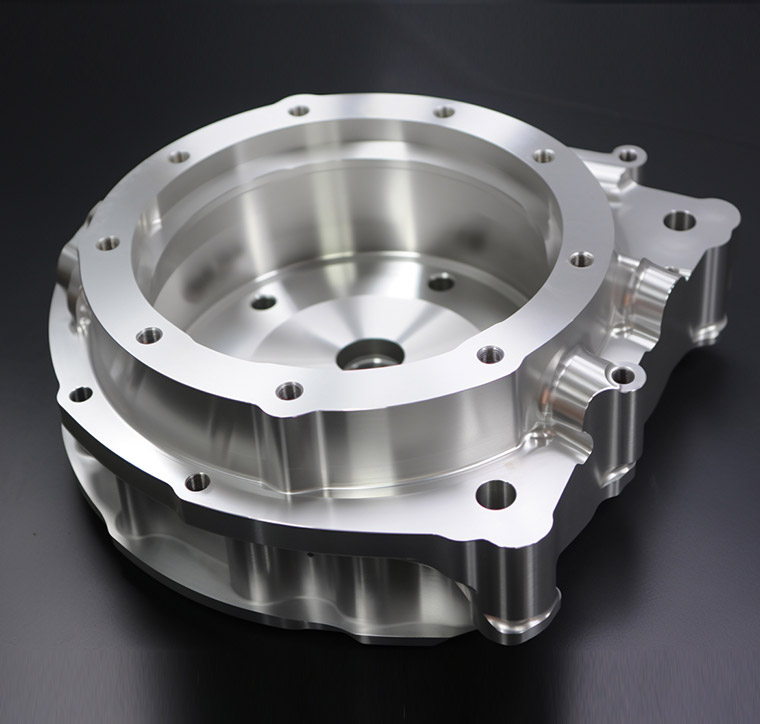
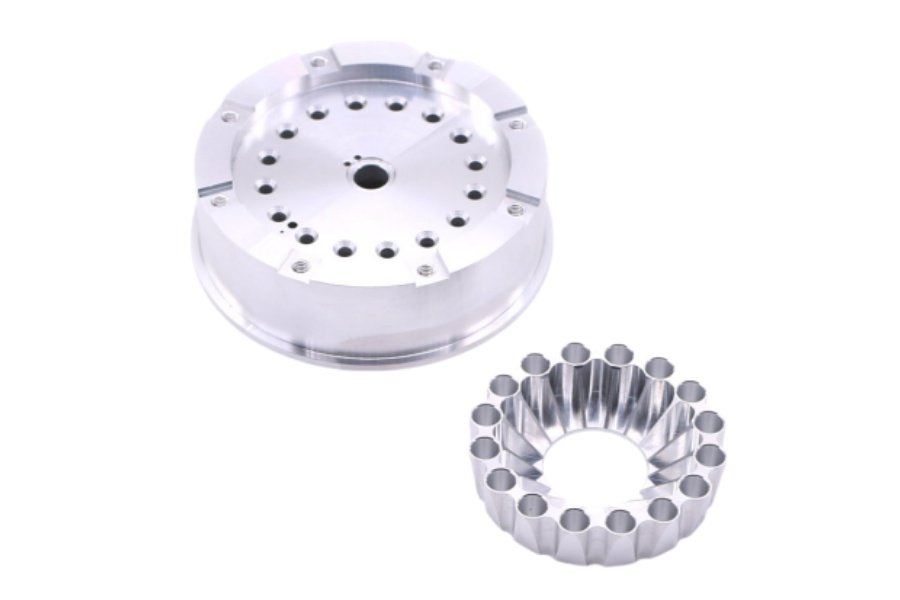
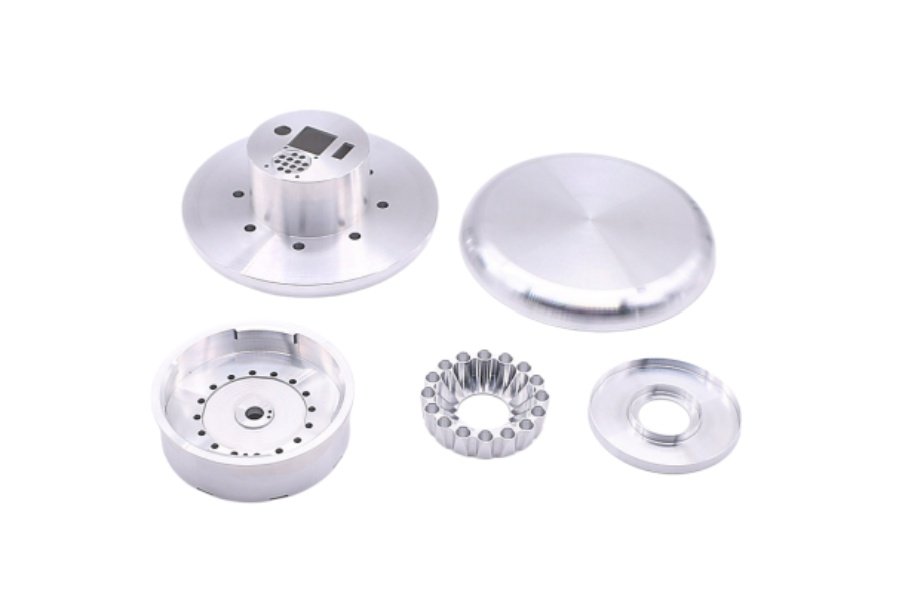
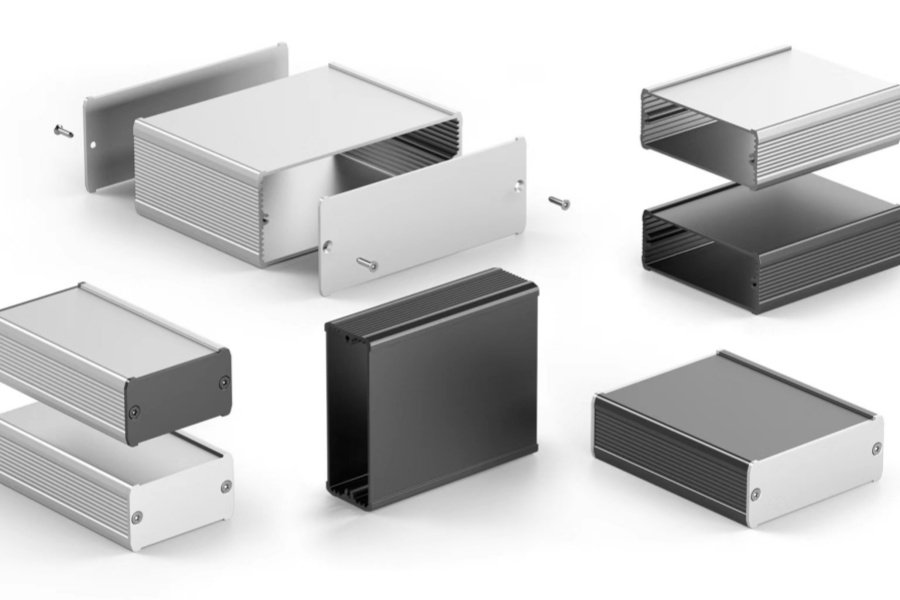
Aluminum alloys represent the optimal balance of strength, weight, and cost-effectiveness in precision manufacturing. With an exceptional strength-to-weight ratio and natural corrosion resistance, aluminum is the material of choice for industries where lightweight structures cannot compromise performance. From aerospace landing gear to automotive engine blocks, medical implants to consumer electronics, aluminum powers innovation across sectors. However, aluminum demands manufacturing expertise. AluCarbon Tech brings specialized knowledge in machining various aluminum alloys with precision tolerances, excellent surface finishes, and rapid turnaround times for global clients.
Aluminum alloys are classified by series based on primary alloying elements. Selection depends on balancing strength, corrosion resistance, machinability, cost, and application requirements. Choosing the right alloy ensures optimal part performance and manufacturing efficiency.
| Alloy Grade | Key Properties & Temper | Best Applications | Machinability |
|---|---|---|---|
| 6061-T6 (6xxx Series) | General-purpose alloy. Excellent machinability, good corrosion resistance, easily welded. Moderate strength. Heat-treatable. | Aircraft components, automotive parts, electronics housings, bicycle frames, brake pistons, structural brackets | Excellent machines cleanly, fast cycle times, ideal for high-volume production |
| 7075-T6 (7xxx Series) | Highest strength-to-weight ratio among aluminum alloys. Zinc primary alloying element. Poor corrosion resistance (contains copper). High strength but lower machinability. | Aerospace structures, aircraft frames, landing gear, military applications, high-stress mechanical components | Challenging requires tool expertise, careful feeds/speeds, can cause built-up edge. Demands skill. |
| 5052-H32 (5xxx Series) | High corrosion resistance (no copper). Non-heat-treatable. Very good fatigue strength. Moderate strength. Good formability. | Fuel tanks, fuel/oil lines, marine applications, sheet metal parts, pressure vessels, salt-spray environments | Good machines well with standard tools, good chip control, cost-effective |
| MIC-6 (Cast Aluminum) | Stress-relieved cast aluminum. Superior dimensional stability. Fine granular structure. Excellent machinability despite high strength. | Assembly jigs, fixture plates, precision test structures, high-tolerance mechanical parts where distortion must be minimized | Excellent high-speed machining capability, small uniform chips, minimal distortion |
| 2024-T4 (2xxx Series) | Copper-aluminum alloy. High strength. Poor corrosion resistance. Best weldability of high-strength alloys. Lower machinability than 6061. | Aircraft structures, fasteners, precision parts, automotive components, aerospace brackets | Moderate requires attention to tool wear, careful tool selection, but manageable with proper technique |
Aluminum machines at higher speeds than steel with lower cutting forces, resulting in faster cycle times, lower tool wear, and reduced production costs. Clean chip formation means minimal surface defects.
At 1/3 the weight of steel with comparable strength, aluminum enables weight reduction without sacrificing structural integrity. Critical for aerospace, automotive, and consumer products.
Aluminum forms a natural oxide layer providing inherent corrosion protection. Anodizing further enhances this, making aluminum suitable for outdoor, marine, and harsh environments.
Lower material costs, faster machining, minimal post-processing needs, and 100% recyclability combine to make aluminum a cost-effective choice across production volumes.
Aluminum efficiently dissipates heat and conducts electricity, making it ideal for heat sinks, power distribution components, and electronic enclosures.
Advanced 3-axis, 4-axis, and 5-axis mills with spindle speeds up to 8,000+ RPM enable rapid material removal and excellent surface finishes. Multi-axis capabilities allow complex geometries, minimum setups, and optimized cycle times. Ideal for intricate aerospace brackets, automotive enclosures, and precision mechanical components.
High-precision turning centers excel at producing cylindrical components, threaded parts, and symmetrical features with excellent surface finish. Optimized for aluminum, turning reduces cycle time while maintaining tight tolerances. Perfect for shafts, hubs, bushings, and rotational components.
In-house anodizing (Type I, II, III), polishing, bead blasting, and custom finishing. Complex multi-axis parts and tight tolerance requirements can be enhanced through secondary operations without outsourcing delays.
| Industry | Key Components | Why Aluminum |
|---|---|---|
| Aerospace & Aviation | Fuselage components, landing gear, engine mounts, structural brackets, heat sinks, precision connectors | Aluminum's strength-to-weight ratio is essential for reducing aircraft weight and fuel consumption while meeting stringent aerospace tolerances. |
| Automotive & Electric Vehicles | Engine blocks, transmission housings, suspension components, battery enclosures, thermal management systems | Lightweight aluminum improves fuel efficiency and EV range while dissipating heat from power electronics and motors. |
| Consumer Electronics | Laptop housings, smartphone frames, power adapter enclosures, heat dissipation plates, structural brackets | Aluminum enables slim, lightweight designs with excellent thermal management and premium aesthetics through anodizing. |
| Medical Devices | Equipment housings, surgical instruments, implant components, sterilizable device parts | Aluminum is biocompatible, easily sterilized, corrosion-resistant, and machines precisely for complex medical applications. |
| Industrial & Power Systems | Heat exchangers, power distribution housings, thermal spreaders, electrical enclosures, radiators | Aluminum's thermal conductivity and corrosion resistance make it ideal for power management and thermal dissipation applications. |
AluCarbon Tech maintains rigorous quality protocols throughout aluminum production:
Aluminum CNC machining cost is influenced by multiple factors including alloy selection (6061 is most cost-effective), part complexity, tolerances, production volume, and finishing.