HDPE CNC Machining Services | AluCarbon Tech

Precision Custom HDPE Parts: High Impact Resistance, FDA-Compliant & Low-Cost Engineering Plastic Components

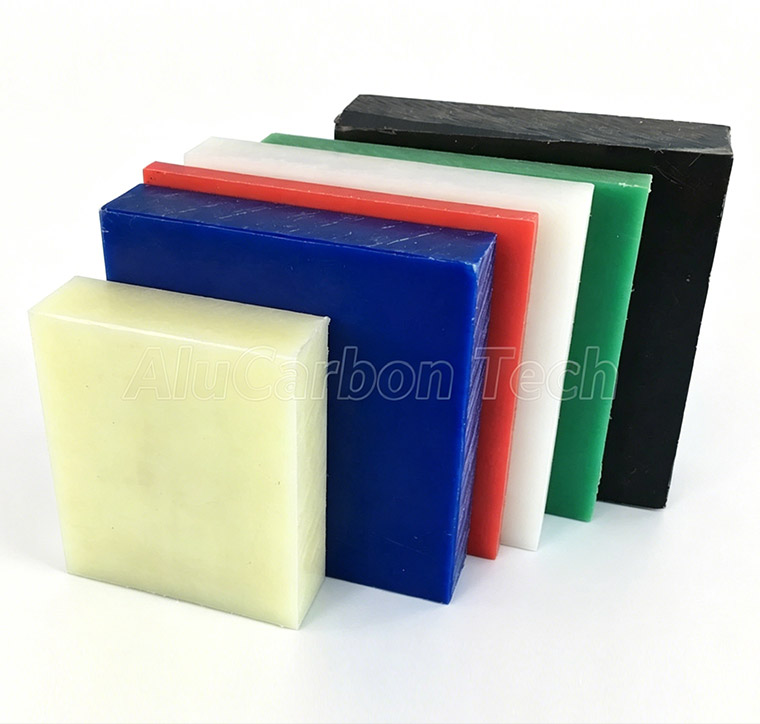
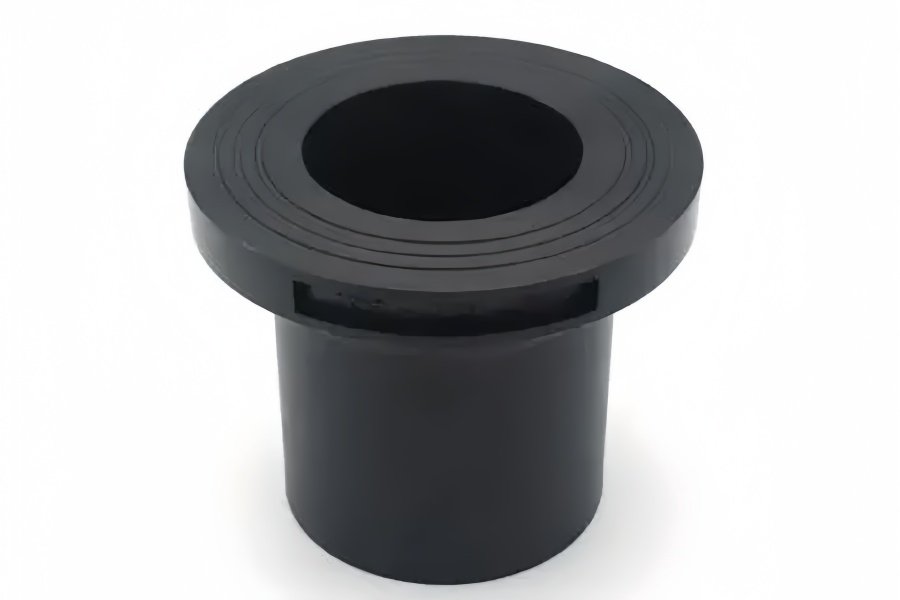
HDPE (High-Density Polyethylene) is a highly versatile, semi-crystalline engineering thermoplastic celebrated for its exceptional impact toughness, near-zero moisture absorption, and outstanding chemical resistance. Thanks to its low coefficient of friction and strict FDA compliance, HDPE is a premier cost-effective material selection for applications requiring sanitary surfaces, dynamic sliding wear plates, and corrosion-resistant enclosures. At AluCarbon Tech, we deliver multi-axis CNC milling and high-speed CNC turning for both standard industrial and medical-grade HDPE sheets and rods. By implementing specialized high-positive rake cutting tools and optimized cooling paths, we completely eliminate plastic gummy residue and thermal distortion, providing clean, burr-free, and high-precision custom HDPE parts engineered for harsh processing and industrial environments.

HDPE

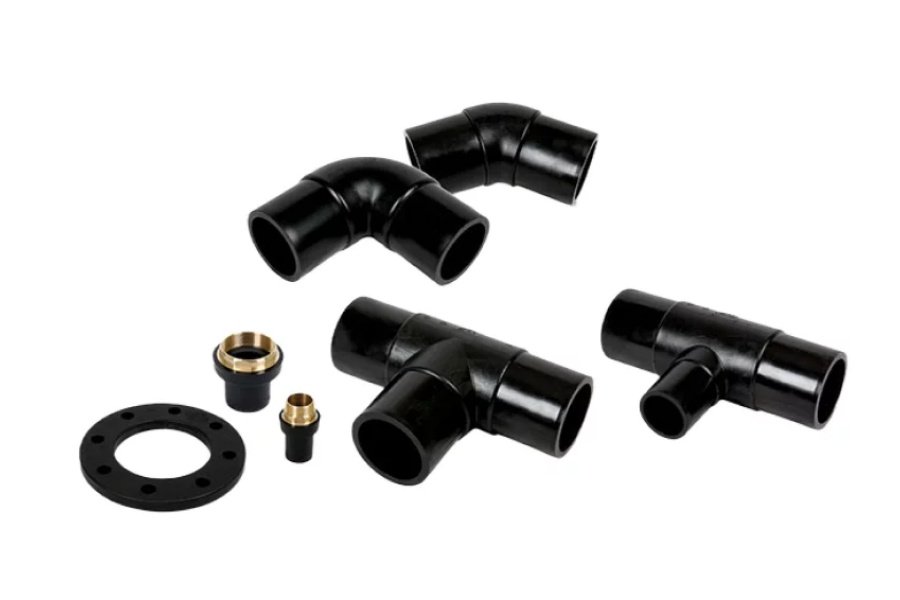
HDPE

Why Choose AluCarbon Tech for HDPE CNC Machining

  • High Cost-Efficiency: Maximized raw material yield and high-speed plastic machining optimization, ideal for rapid prototyping and mass commercial runs.
  • Excellent Impact & Chemical Defense: Flawless resistance against aggressive acids, bases, and high-impact physical drops or repetitive shocks.
  • 100% FDA & Sanitary Compliance: Perfect non-toxic, chemical-passivity configurations suitable for direct contact with food and medical environments.
  • Advanced Burr-Free Tooling: Utilizing proprietary razor-sharp single-point carbide setups to avoid localized tearing and fuzzy edges on soft plastic skins.
  • Complex Structural Geometries: 3, 4, and 5-axis high-speed precision CNC milling and turning tailored for deep cavities, fluid paths, and custom alignment frames.
  • Strict ISO 9001:2015 Quality Controls: Closed, non-contamination plastic cutting stations guaranteeing production tolerances held tightly up to ±0.05 mm.

Product Description

HDPE Material Selection & Grade Guide

HDPE Grade Type Key Material Characteristics Target Application Environments
Standard Industrial HDPE High impact resistance, near-zero water absorption, superb chemical passivity, and exceptionally low manufacturing cost. Chemical tanks, industrial pipe fittings, agricultural guide rails, wear strips, outdoor playground structural panels.
FDA-Compliant/Food Grade HDPE Completely non-toxic, moisture-proof, odor-free, fully meets FDA and NSF requirements for direct food handling. Commercial cutting boards, food portioning discs, fluid dispensing manifolds, sanitary processing components.

Common Applications for Machined HDPE Components

Industry Key Components
Food Processing & Sorting Machinery FDA-approved commercial cutting blocks, sanitary distribution star wheels, and fluid handling scraper blades.
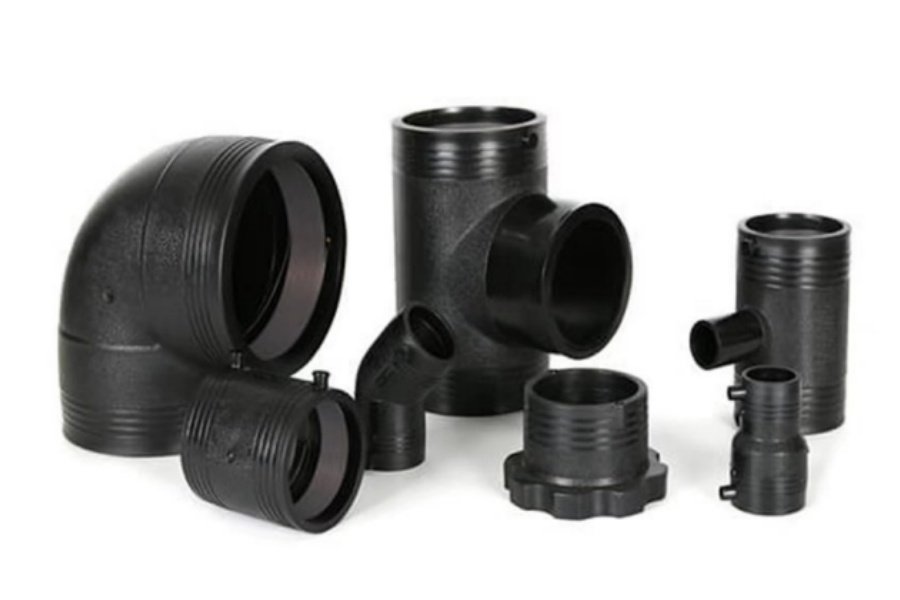
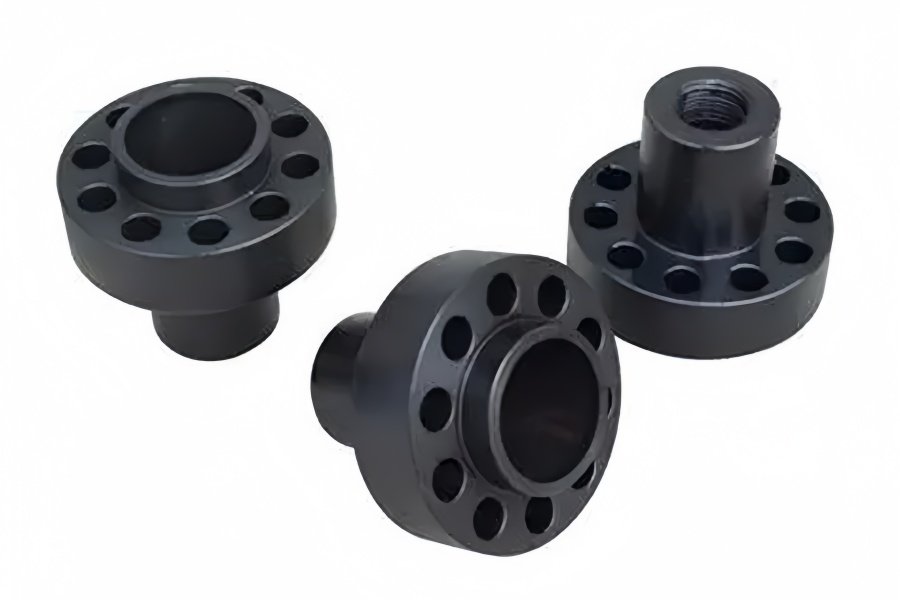
Chemical Storage & Fluid Logistics Acid-resistant valve bodies, chemical pump manifolds, corrosion-proof tank caps, and industrial pipe line adapters.
Marine & Outdoor Marine Infrastructure UV-stabilized wear plates, non-degrading marine boat cabinetry components, and moisture-proof outdoor guides.
Sim Racing & Consumer Hardware Assemblies Cost-effective low-friction pedal sleeve dampeners, alignment blocks, and prototype enclosure plates.

Frequently Asked Questions (FAQ)

Q: What are the main challenges when machining HDPE, and how does AluCarbon Tech overcome them?
A: HDPE is a relatively soft plastic with a low melting point, which can easily cause material 'gumming' (melting and wrapping around the cutter) or fuzzy burrs along the edges. AluCarbon Tech utilizes razor-sharp, single-point positive rake carbide tools combined with high-speed toolpaths and cold air blast cooling. This completely clears chips instantly, ensuring clean, burr-free cuts and crisp edge profiles.
Q: Can CNC machined HDPE components be safely used in direct contact with food?
A: Yes, absolutely. We source premium, certified food-grade HDPE raw materials that fully comply with FDA, NSF, and EU sanitary regulations. Our dedicated plastic-only machining centers ensure zero metallic or heavy lubricant contamination during the cutting process.
Q: Is HDPE suitable for high-temperature operating environments?
A: No, HDPE is not recommended for high-heat environments. Its continuous operating temperature limit is roughly 80°C (176°F). For extreme temperature environments, we highly recommend upgrading to high-performance polymers such as PEEK or PEI (Ultem).
Q: Do you enforce minimum order quantities (MOQ) for custom engineered HDPE parts?
A: AluCarbon Tech supports engineering clients globally with zero MOQ limitations. We smoothly accommodate everything from a single high-accuracy functional prototype for line testing to serial commercial production runs exceeding 1,000+ custom batches.
Get In Touch

Send Your Message