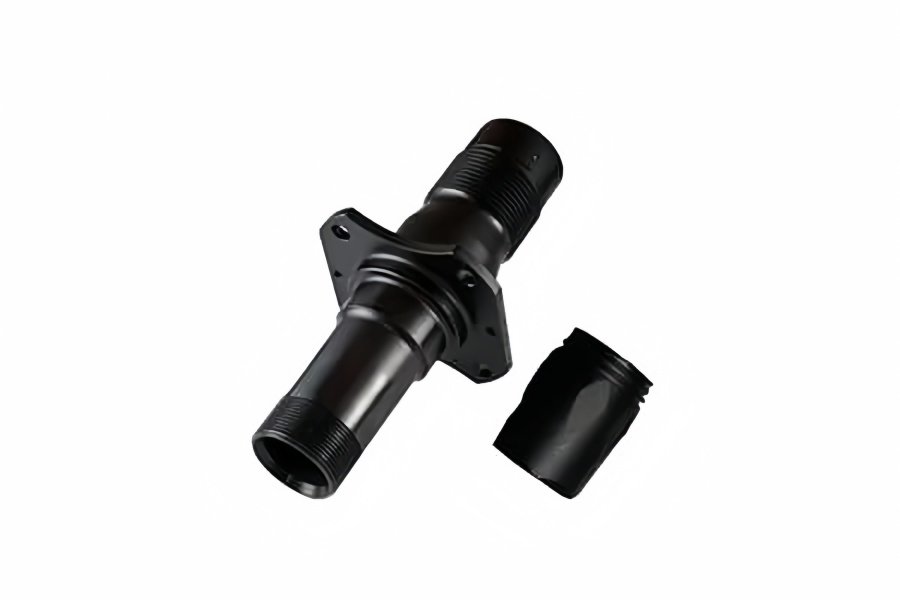
ABS CNC Machining Services | AluCarbon Tech

Cost-Effective, High-Impact Precision Plastic Components for Prototyping and Production

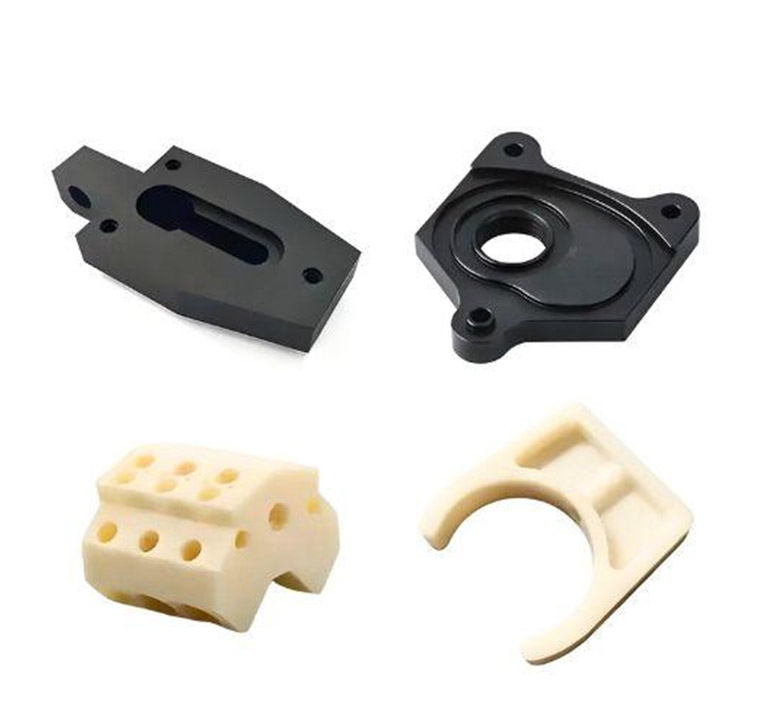
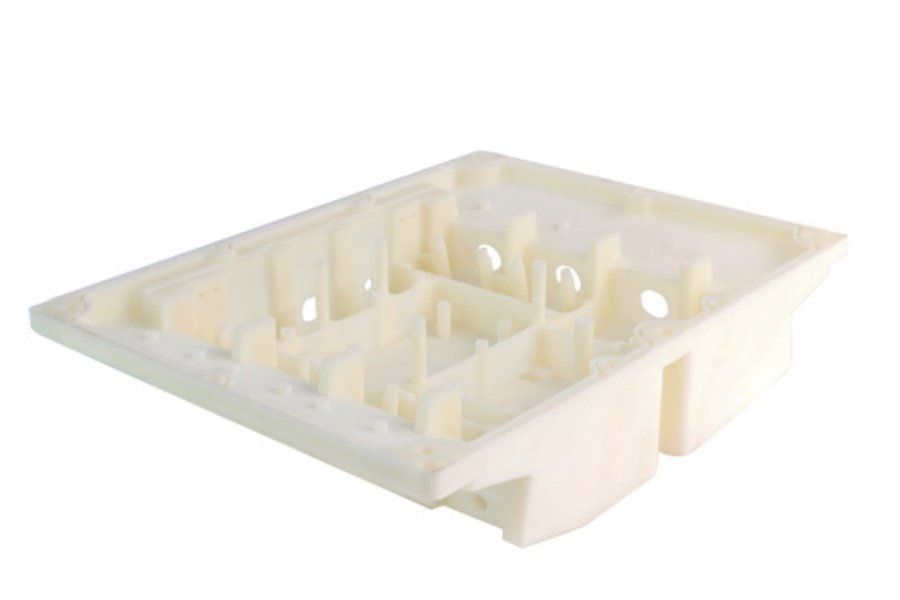
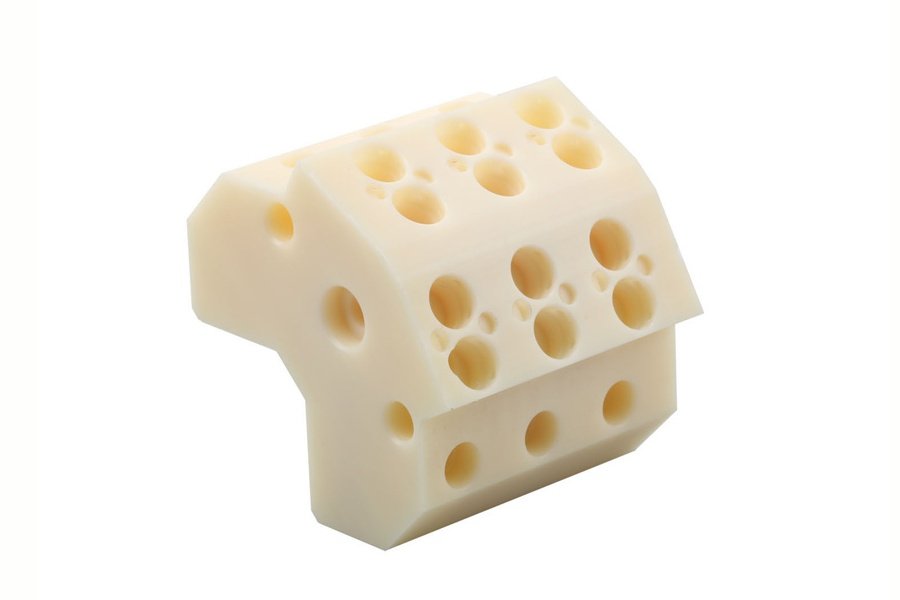
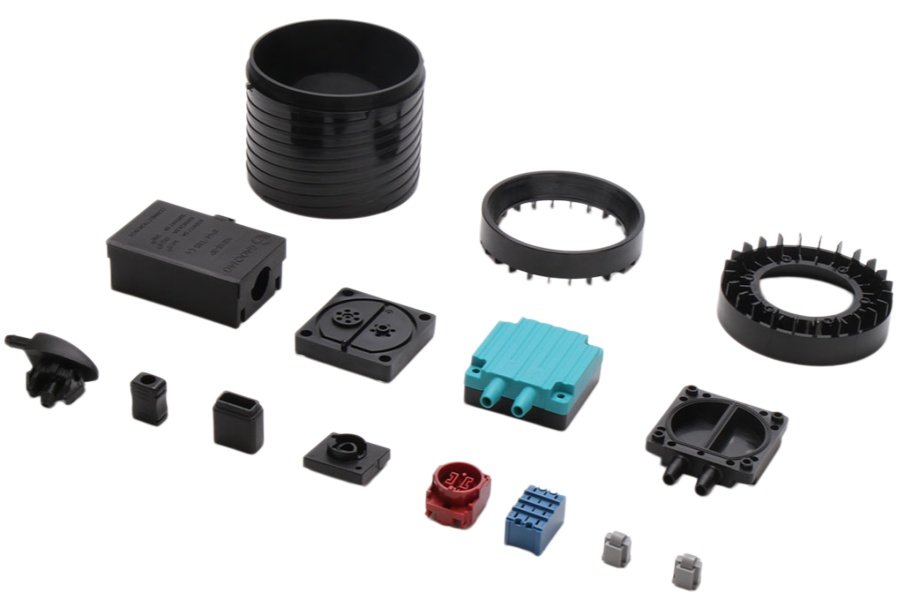
ABS (Acrylonitrile Butadiene Styrene) is one of the most widely adapted amorphous engineering plastics across global consumer and industrial markets. Characterized by outstanding impact strength, excellent machinability, structural stiffness, and high affordability, ABS serves as a premier selection for both early-stage functional prototypes and robust end-use parts. AluCarbon Tech utilizes precision CNC tooling techniques to shape complex geometries out of raw ABS blocks, delivering highly repeatable components with superior surface profiles, exceptional paint adhesion, and rapid structural readiness.

ABS

ABS

Why Choose AluCarbon Tech for ABS CNC Machining

  • Unmatched cost efficiency optimized for rapid functional prototyping and low-volume enclosures.
  • Excellent structural ductility and high impact resistance, protecting parts against aggressive vibration.
  • Flawless surface finish quality, perfectly suited for post-processing such as painting, texturing, or plating.
  • Advanced multi-axis CNC milling and high-speed turning tailored to eliminate thermal deformation.
  • Strict engineering tolerances held up to ±0.05 mm for accurate fitment in multi-component assemblies.
  • Fast lead times spanning 2 to 4 weeks with expedited options available for compressed project timelines.
  • Comprehensive batch verification and inspection tracking matching international ISO standards.

Product Description

ABS Material Properties & Selection Guide

ABS materials are engineered for specific performance requirements. Selection depends on balancing structural properties, post-machining capabilities, thermal thresholds, and manufacturing costs. Choosing the right grade ensures optimal component performance and maximum manufacturing efficiency.

ABS Grade Type Material Characteristics Target Application Environments
Standard Machining Grade ABS Balanced tensile strength, easy post-machining treatment, high scratch resistance, and low manufacturing costs. Electronic enclosures, hand-held device housings, structural prototyping, instrument dash bezels.
Flame-Retardant / Specialty ABS Enhanced thermal thresholds with UL94 V-0 compliance, protecting interior electronics against combustion vectors. Power supply enclosures, automotive interior trim panels, telecom routing modules, appliance bezels.

Common Applications for Machined ABS Components

Consumer Product Shells

Highly polished custom covers, diagnostic controller cases, and aesthetic structural enclosures.

Automotive Interiors

Custom dashboard components, air vent assemblies, structural clips, and control knobs.

Industrial Engineering

Material handling storage prototypes, air distribution blocks, and vibration-isolated fixtures.

Sim Racing & Consumer Hardware

Cost-effective button plates, early ergonomic design layout blocks, and desk mounting brackets.

Frequently Asked Questions (FAQ)

Q: Why should I choose CNC machining for ABS instead of 3D printing?
A: CNC machined ABS components utilize solid, isotropic raw plastic blocks, providing significantly higher structural integrity, smoother surface finishes, and superior dimensional tolerances compared to layer-by-layer 3D printing.
Q: Can ABS components be bonded or glued together?
A: Yes. ABS can be easily bonded using chemical solvents like acetone or specialized acrylic adhesives, allowing for the construction of exceptionally large or multi-piece structural assemblies.
Q: What finishes can be applied to machined ABS?
A: Machined ABS provides an ideal substrate for custom finishing. It can be easily sanded, custom painted, media-blasted for a smooth matte aesthetic, or electroplated with metallic surfaces.
Q: Is ABS suitable for outdoor or UV-heavy applications?
A: Standard ABS degrades under prolonged UV light exposure. For exterior environments, we suggest applying protective UV-resistant coatings or selecting materials like ASA or polycarbonate.
Get In Touch

Send Your Message