Polycarbonate (PC) CNC Machining Services | AluCarbon Tech

Precision Optical Clarity, Extreme Impact Resistance & High Dimensional Stability Structural Parts

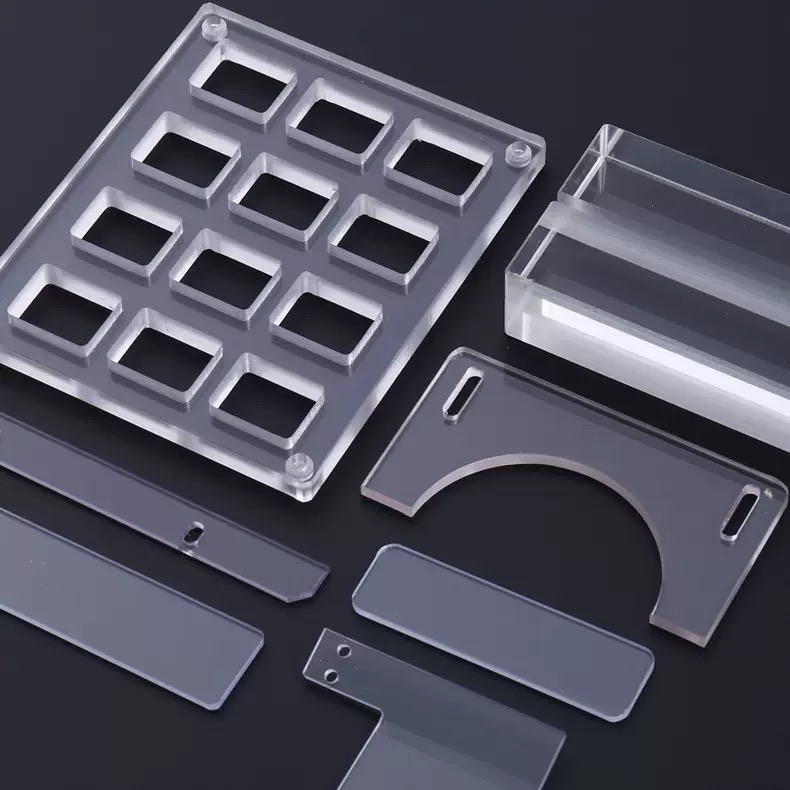
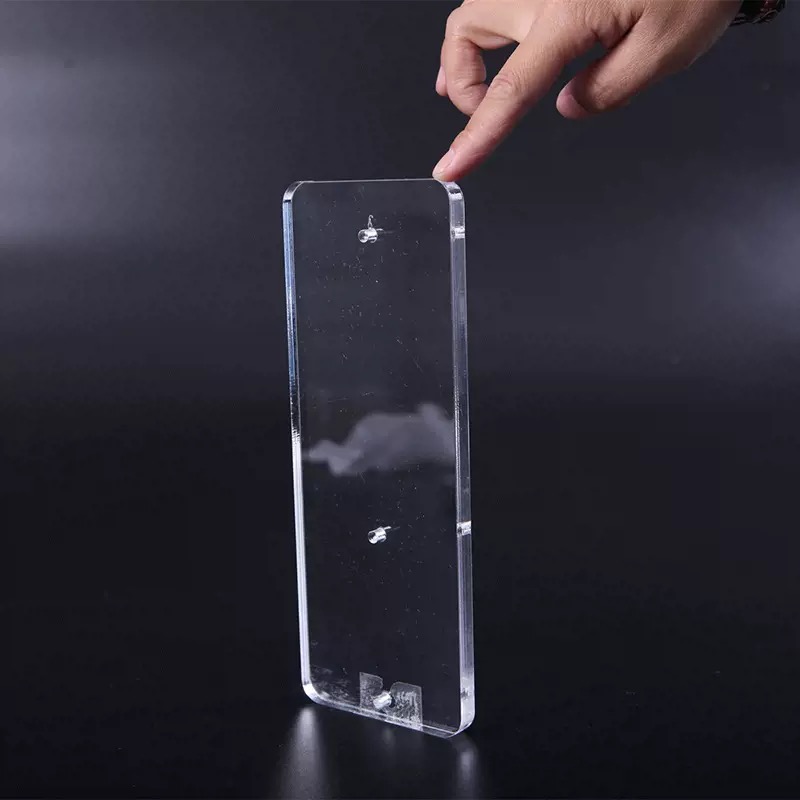
Polycarbonate (PC) is a premium amorphous engineering thermoplastic widely preferred in medical diagnostics, automotive optical, and aerospace protective enclosure sectors. Celebrated for its remarkable glass-like transparency, high continuous heat deflection temperatures, and an almost indestructible impact strength that vastly outclasses acrylic and standard glass, PC is the premier choice for complex structural and optical components. At AluCarbon Tech, we offer elite multi-axis CNC milling and high-speed precision turning tailored precisely to the sensitive material characteristics of polycarbonate. By implementing low-stress feed rates, specialized coolant coordination, and advanced post-machining polishing techniques (vapor polishing and flame polishing), we prevent micro-cracking and internal stress-crazing, delivering custom PC components with flawless optical clarity and strict dimensional tolerances.

Polycarbonate(PC)

Polycarbonate(PC)

Why Choose AluCarbon Tech for Polycarbonate (PC) CNC Machining

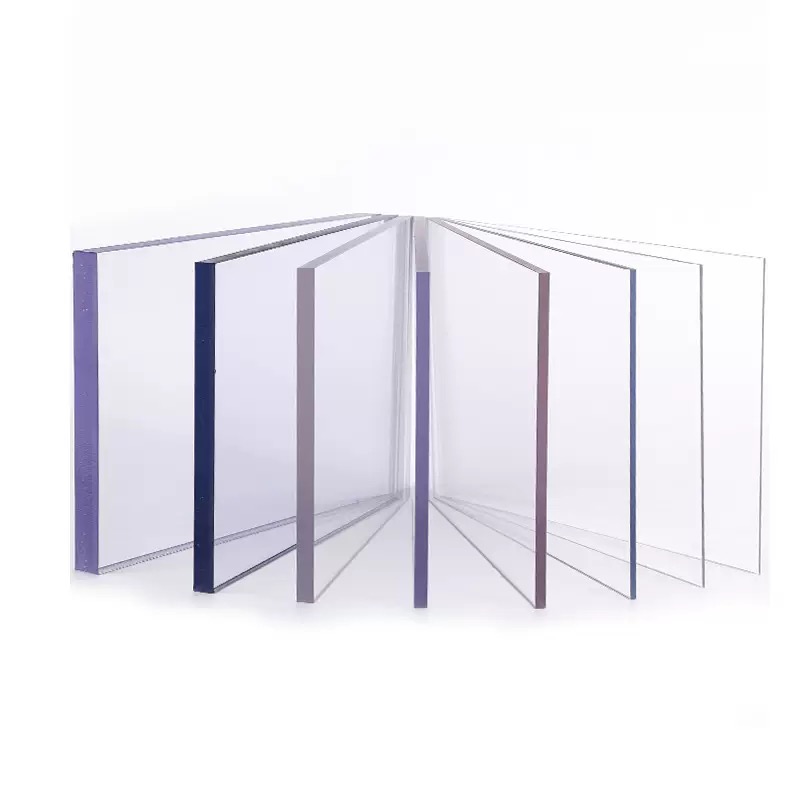
  • High Optical Transmittance: Achieves up to 89% light transmission, perfect for clear protective shields, lenses, and viewing ports.
  • Near-Indestructible Impact Defense: Exceptional shatterproof toughness prevents cracks or fragmentation under high dynamic mechanical loads.
  • Superior Creep Resistance: High dimensional rigidity and low moisture absorption ensure precision fits remain stable over long-term operations.
  • Stress-Relieved Machining Path Control: Proprietary low-heat toolpaths to prevent localized thermal stress, completely eliminating part cracking.
  • Advanced Clarity Post-Processing: Expert in-house vapor polishing and diamond-tool turning to restore full internal transparency to milled surfaces.
  • ISO 9001:2015 Precision Workstations: Highly controlled tooling environments preventing scratch defects and surface contamination on premium optical parts.

Product Description

Polycarbonate (PC) Grade Selection Guide

PC Material Grade Key Material Characteristics Target Application Environments
Optical / Machine Grade PC Unreinforced, maximum optical transparency, extreme impact resistance, and superb dimensional stability. Medical fluid manifolds, face shields, sight glasses, aerospace instrument clusters, electronic housings.
Glass-Filled PC (10% - 30%) Significantly increased flexural modulus and tensile strength, exceptional structural load capacity, but loses transparency. Industrial structural housings, heavy-duty electrical insulators, mechanical structural support frames.
Flame-Retardant PC (UL94 V-0) Engineered self-extinguishing properties combined with high impact resistance and moderate thermal thresholds. Electrical terminal blocks, EV battery enclosure components, telecommunication modules, transit interior trims.

Common Applications for Machined Polycarbonate Components

Industry Key Components
Medical Diagnostics & Laboratory Equipment Clear fluidic analysis manifolds, surgical tool handles, blood gas filter housings, and sterile isolator windows.
Automotive, Drone & Aerospace Engineering Optical sensor lenses, custom UAV heavy-impact structural skid plates, vehicle light housings, and pressure sight glasses.
High-Performance Electrical & Power Controls Insulating covers, high-voltage clear protective circuit barriers, terminal housings, and heavy industrial control panels.
Sim Racing & Consumer Hardware Customization High-clarity illuminated custom dashboard screens, mechanical internal gear indicators, and impact-tough chassis enclosure shields.

Frequently Asked Questions (FAQ)

Q: Why is Polycarbonate susceptible to cracking during CNC machining, and how does AluCarbon Tech mitigate this?
A: Polycarbonate is an amorphous plastic, meaning it is highly sensitive to residual localized stresses caused by heat buildup and aggressive cutting forces. Standard machining easily induces micro-crazing and sudden stress-cracking, particularly around deep drilled holes or sharp internal corners. AluCarbon Tech prevents this by strictly using sharp, polished, low-friction carbide tools running at optimized speeds to reduce cutting heat. We also introduce specialized water-soluble, non-solvent coolants and implement post-machining stress-relief annealing procedures, entirely eliminating internal stress and guaranteeing structural integrity.
Q: How can I restore the transparent clarity of Polycarbonate parts after CNC milling?
A: CNC milling leaves a matte, frosted finish on the surface. To achieve glass-like optical clarity, we provide professional in-house post-processing solutions. Depending on the geometry, we use Vapor Polishing (utilizing a solvent gas to reflow outer microscopic valleys for complex internal manifolds) or Diamond Fluid Polishing (for outer cosmetic faces and flat shields), reaching up to 85%+ structural light transmittance.
Q: Which materials are chemically incompatible with machined Polycarbonate parts?
A: Polycarbonate is vulnerable to chemical degradation from strong organic solvents, aromatic hydrocarbons, alkalis, and specialized ester cleaning chemicals, which cause rapid surface fogging and micro-cracking. For environments involving severe exposure to industrial chemical agents, we recommend checking compatibility tables or evaluating chemically passivated plastics like PTFE or PEEK.
Q: What is your Minimum Order Quantity (MOQ) for custom precision Polycarbonate parts?
A: AluCarbon Tech provides flexible production support globally with zero MOQ restrictions. We accept single-piece optical transparency prototyping for R&D evaluation and possess the capacity to smoothly scale up to mass production lots exceeding 1,000+ custom industrial parts.
Get In Touch

Send Your Message