Capabilities / Rapid Prototyping

Rapid Prototyping Services — From Concept to Production-Ready Parts

CNC-machined, carbon fiber, 3D-printed and vacuum-cast prototypes, built in-house by the same engineers who take your design into production. Submit a CAD file and get DFM feedback within 24 hours.

  • In-house CNC, 3D print & molding
  • Sem quantidade mínima de encomenda
  • Direct path to low-volume production
PROTOTYPE JOB SPEC REF #AC-RP-001
PROCESS
CNC / 3D Print / Vacuum Cast / Injection Mold
MATERIAL
Aluminum, Steel, Nylon, ABS, Carbon Fiber and so on
LEAD TIME
As fast as 3 days
TOLERANCE
±0.02 mm (CNC)
QUANTITY
1 – 10,000+ pcs
NEXT STEP
Low-Volume Production

Rapid prototyping
and full-scale production

ISO accredited
& QC checks

All in-house
processes

Used in over
50 countries

FREE Instant
quotations

Why AluCarbon Tech

One engineering team. Every prototyping process. No handoffs.

Late DFM feedback, high minimum order quantities, and switching suppliers between prototype and production are the three things that slow a product launch down most. We machine, print, cast and mold in-house, so moving from a 3D-printed concept model to a CNC-machined functional prototype doesn't mean restarting the quote clock with a new vendor.

1

One-Stop Prototyping

CNC, 3D printing, vacuum casting and injection molding under one roof — one point of contact for the whole project.

2

Multi-Process Flexibility

We recommend the process that fits your test goals, not the only process we happen to offer.

3

Engineering Support

Every quote comes back with a DFM review — tolerance, wall-thickness and tooling risks flagged before you commit.

4

Prazo de entrega rápido

Quotes within 24 hours. Parts in hand in as few as 3 days for CNC and 3D-printed prototypes.

5

Do protótipo à produção

Validated designs scale directly into low-volume or mass production with the same team and process knowledge.

Rapid Prototyping Capabilities

Choose the right prototype fabrication process for your project stage

Different stages of engineering prototype development call for different processes. Here's what we support in-house, and where each one fits.

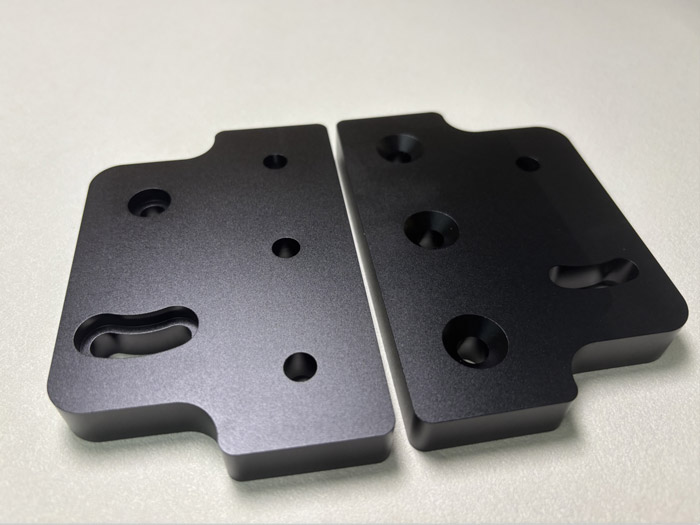
01 / CNC MACHINED

CNC Machined Prototypes

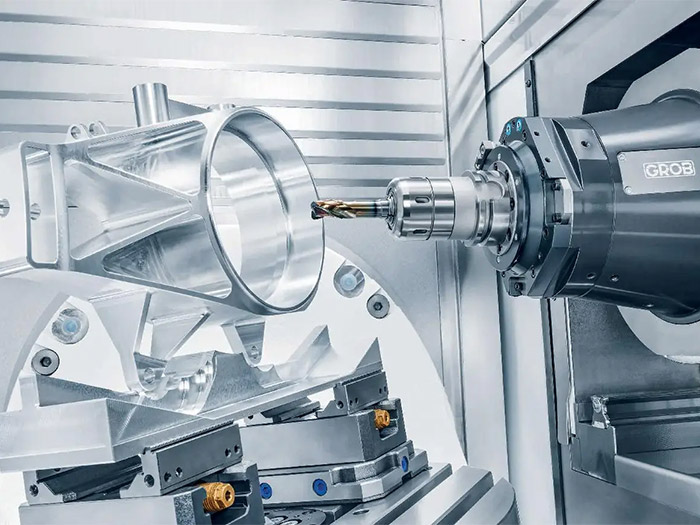
Precision CNC prototype machining in aluminum, stainless steel, titanium and engineering plastics — built to perform like the final production part, not just look like it.

Ideal paraFunctional testing, tight-tolerance fits
Tolerance±0.02–0.05 mm
Prazo de entrega5–7 days
See CNC Machining →
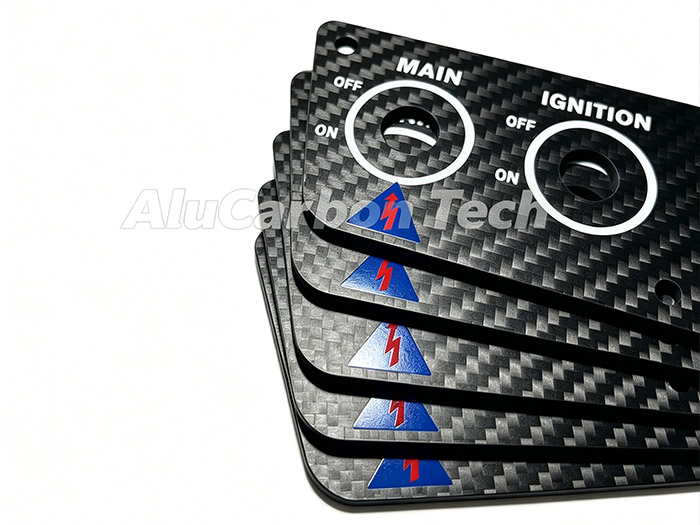
02 / CARBON FIBER

Carbon Fiber Prototypes

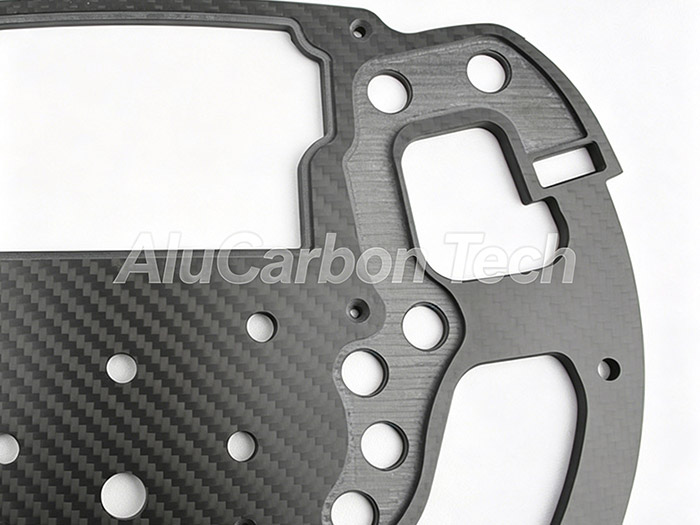
CNC-machined and molded carbon fiber components for lightweight, high-stiffness applications — drone frames, sim-racing parts and structural panels.

Ideal paraWeight-critical, high-stiffness parts
Tolerance±0.05 mm
Prazo de entrega5–7 days
See Carbon Fiber CNC →
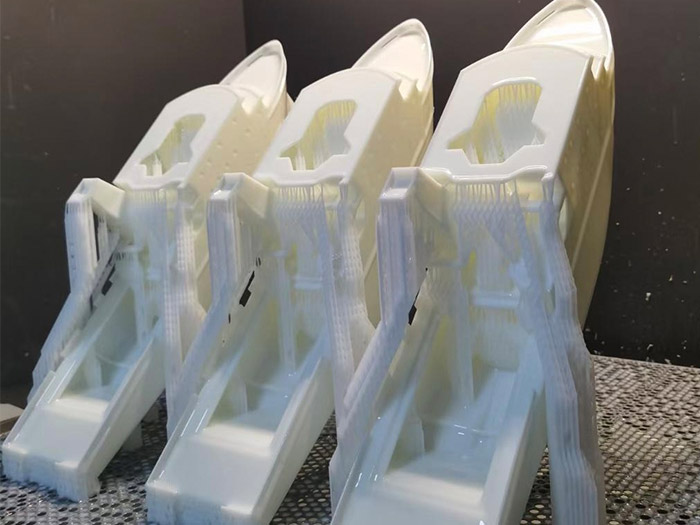
03 / 3D PRINTED

3D Printed Prototypes

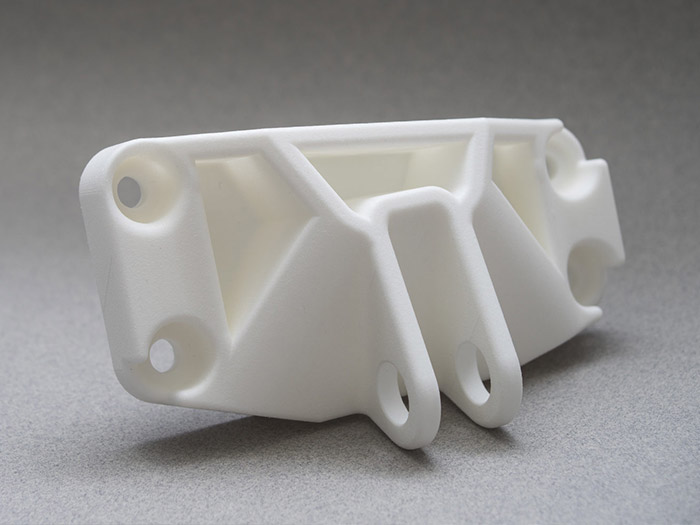
SLA, SLS and FDM printing for fast, low-cost concept models and early design iterations — parts in hand in as little as 24-48 hours.

Ideal paraConcept validation, form & fit checks
Tolerance±0.1–0.2 mm
Prazo de entrega5–7 days
See 3D Printing →
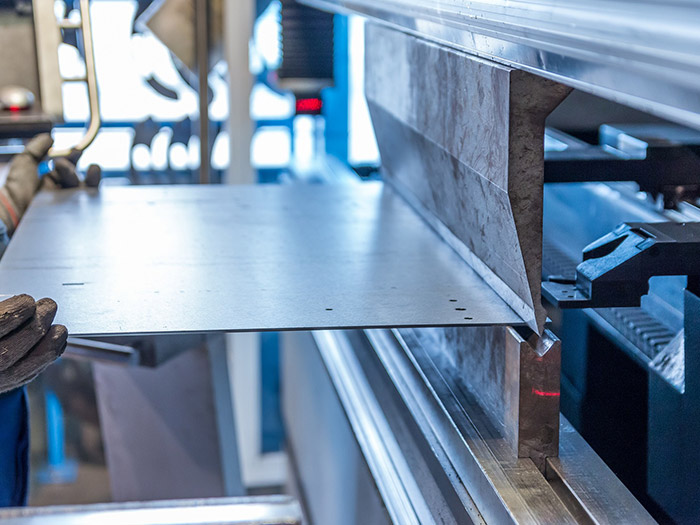
04 / SHEET METAL

Sheet Metal Prototypes

Laser-cut and formed sheet metal prototypes for enclosures, brackets and structural components ahead of production tooling.

Ideal paraEnclosures, structural brackets
Tolerance±0.1 mm
Prazo de entrega5–7 days
See Sheet Metal Processing →
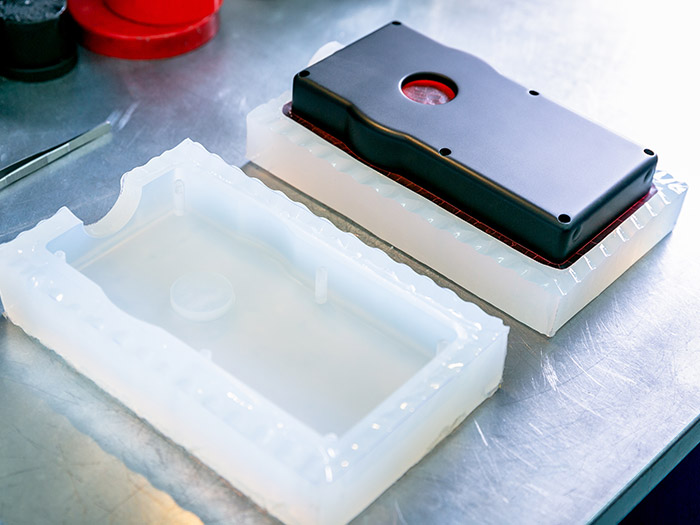
05 / VACUUM CAST

Vacuum Cast Prototypes

Polyurethane vacuum casting for small batches of production-like plastic parts — a cost-effective bridge before committing to injection tooling.

Ideal paraPre-production plastic parts, 10–50 units
Tolerance±0.15 mm
Prazo de entrega5–7 days
See Vacuum Casting →
06 / LOW VOLUME

Low-Volume Prototype Production

Once your design is validated, we scale directly into low-volume manufacturing — no new supplier, no re-quoting, no lost time.

Ideal paraPilot runs, market-test batches
ToleranceProcess-dependent
Prazo de entrega5–7 weeks
See Case Studies →

Manufacturing Capability

Manufacturing Capability at a Glance

A quick reference for engineers evaluating which prototype fabrication process fits their part.

Process Materiais Typical Tolerance Max Part Size Typical Qty Lead Time
Maquinação CNCAluminum, steel, titanium, brass, nylon, POM, ABS, PC±0.02–0.05 mm800 × 500 × 400 mm1–500 pcs3–5 days
Fibra de carbono CNCCarbon fiber sheet & laminate±0.05 mm600 × 400 mm1–200 pcs5–8 days
3D Printing (SLA/SLS/FDM)Resin, nylon PA12, ABS-like±0.1–0.2 mm300 × 300 × 300 mm1–50 pcs1–3 days
Sheet Metal FabricationAluminum, steel, stainless steel±0.1 mm1200 × 800 mm1–500 pcs4–6 days
Moldagem a vácuoPolyurethane (rigid & rubber-like)±0.15 mm500 × 400 × 300 mm10–50 pcs7–12 days
Rapid Injection MoldingABS, PC, nylon, PP±0.1 mmMold-dependent50–5,000 pcs2–4 weeks

Figures are typical ranges for reference only — exact tolerance and lead time depend on part geometry and are confirmed during your DFM review. General tolerances follow ISO 2768-m unless a tighter tolerance is called out on your drawing.

Have a CAD file ready? Get a prototype quote back within 24 hours.

Upload CAD Files →

Como funciona

Prototype Development Process

A straight line from your CAD file to a validated, production-ready design — six steps, one team.

1

Upload CAD Files

Submit STEP, IGES or STL files. Most quotes return within 24 hours.

2

DFM Review

Our engineers check wall thickness, tolerances and manufacturability before you commit to a process.

3

Material & Process Selection

We help you choose CNC, 3D printing, vacuum casting or injection molding based on your test goals and budget.

4

Prototype Manufacturing

Parts are machined, printed or molded in-house — no outsourcing delays.

5

Testing & Validation

Inspection reports and dimensional checks confirm your prototype meets spec before it ships.

6

Low-Volume Production

Approved designs move directly into pilot or low-volume runs with the same team and tooling knowledge.

Quality & Engineering Support

Every prototype ships with the checks that back it up

A prototype is only useful if you can trust the measurements. This is what happens before your parts leave the shop floor.

DFM Review

Every quote is checked by an engineer for tolerance, wall-thickness and tooling risk — not run through software alone.

First Article Inspection

The first part off any new setup is measured against your drawing before the rest of the order proceeds.

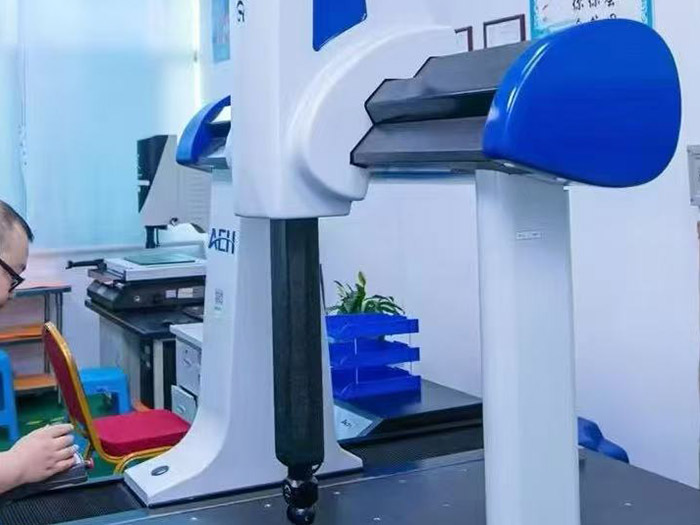
Dimensional (CMM) Inspection

Critical features are measured on a coordinate measuring machine, with a report available on request.

Material Certification

Mill and material certificates are available for metal and plastic prototypes on request.

Materials We Work With

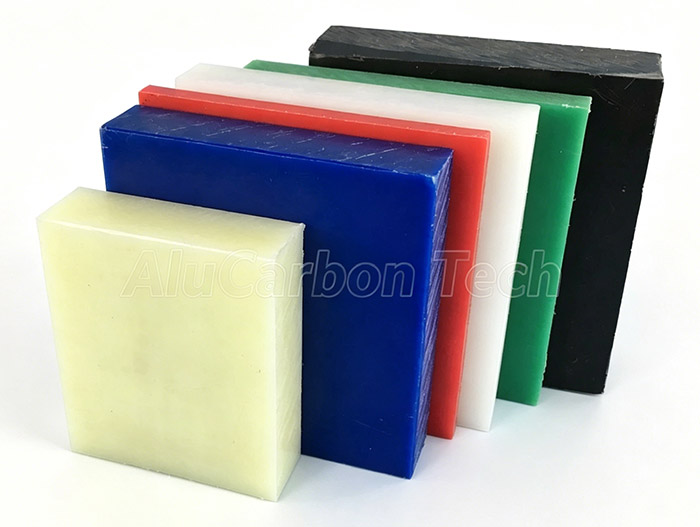
We machine and manufacture a wide range of metals, plastics, and carbon fiber composites.

Surface finishes for prototype parts:

As-Machined Bead Blasted Anodized (Type II / III) Powder Coated Polished
See Surface Finishing →

Do protótipo à produção

Prototype vs. Production: What Changes

Not sure when to move from prototyping to production? Here's what actually changes between the two.

Prototype Production
ToolingNone, or low-cost soft toolingHardened production tooling
Typical Quantity1 – 500 units500 – 100,000+ units
Cost per PartHigher per unitLower per unit at volume
Lead TimeDaysWeeks, plus tooling lead time
PurposeValidate design, fit and functionDeliver consistent parts at scale
Material OptionsBroadest — match final material or substituteLocked to qualified production material

Industries We Serve

Trusted by engineering teams across demanding sectors

Por que escolher a AluCarbon Tech

Built for engineers who can't afford a slow prototype supplier

CNC Machining Expertise

Tight-tolerance metal and plastic machining, proven across aerospace, automotive and medical projects.

Carbon Fiber Manufacturing

In-house carbon fiber machining and molding — a capability most prototype shops don't offer at all.

Flexible Low-Volume Production

No minimums that trap you and no re-tooling penalty when you scale from 10 units to 10,000.

Multiple Processes, One Roof

CNC, 3D printing, vacuum casting and injection molding in the same facility — fewer handoffs, fewer delays.

Direct Engineering Communication

You talk to the engineer reviewing your file, not a support queue.

Prototype-to-Production Continuity

The team, process knowledge and quality standards that built your prototype carry straight into production.

From the Shop Floor

Prototype Work Gallery

Replace each placeholder with real production photography — genuine shop-floor images consistently outperform stock photos for trust and conversion on B2B manufacturing pages.

CNC prototype parts

Carbon fiber prototype panels

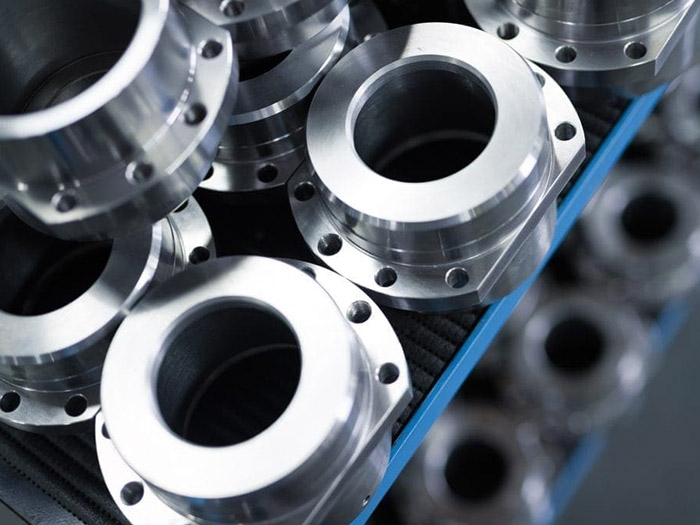
Aluminum precision components

3D printed engineering models

Sheet Metal Parts

Final Quality Inspection

Perguntas frequentes

Rapid Prototyping — Frequently Asked Questions

How fast can you make a prototype?

Most CNC-machined and 3D-printed prototypes ship in 3-5 business days. Vacuum-cast and rapid-tooled injection-molded prototypes typically take 7-12 days. Expedited options are available for urgent projects.

What materials can be used for prototypes?

We machine and mold prototypes in aluminum, stainless steel, titanium, brass, engineering plastics such as nylon, POM, ABS and PC, and carbon fiber composite.

Can prototypes be used for functional testing?

Yes. CNC-machined and injection-molded prototypes are produced in production-grade materials, so they can be used for load testing, fit checks, thermal testing and field trials — not just visual review.

What's the difference between rapid prototyping and CNC machining?

CNC machining is one manufacturing process. Rapid prototyping is a service that selects the right process — CNC, 3D printing, vacuum casting or injection molding — based on your project stage, budget and testing requirements.

What's the difference between a prototype and a production part?

Prototypes are typically made without hardened tooling, in smaller quantities and at a higher per-part cost, to validate design and function. Production parts use qualified tooling and processes to deliver consistent quality at scale and a lower per-part cost.

Can you prototype in carbon fiber?

Yes. We CNC-machine carbon fiber sheet and mold carbon fiber components in-house, commonly used for drone frames, sim-racing parts and other weight-critical applications.

Is there a minimum order quantity for prototypes?

No. Prototype orders start at a single unit, with no minimum order quantity, and the same process can scale into low-volume production once your design is validated.

Do you provide DFM (Design for Manufacturability) feedback?

Every quote includes a DFM review from our engineering team, typically returned within 24 hours, flagging tolerance, wall-thickness and tooling risks before you commit.

What tolerances can you hold on prototype parts?

CNC-machined prototypes typically hold ±0.02-0.05 mm. 3D-printed prototypes typically hold ±0.1-0.2 mm. Tighter tolerances can be confirmed on request during the DFM review, based on part geometry.

What file formats do you accept for a prototype quote?

We accept STEP, IGES, STL, and native SolidWorks or Parasolid files. 2D drawings with GD&T are recommended for tolerance-critical parts.

Can you support the transition from prototype to production?

Yes. Prototypes are produced by the same engineering team and, where relevant, on production-representative tooling, so validated designs move directly into low-volume or mass production without switching suppliers.

Do you offer surface finishing on prototype parts?

Yes. Anodizing, powder coating, bead blasting and polishing are available on prototype parts so you can evaluate both function and final appearance. See our Acabamento de superfícies capability.

Can I get a prototype quote without committing to production?

Yes. Prototype quotes are standalone with no obligation to place a production order. Many customers come back for a production quote later, once the prototype has been validated.

Começar

Solicite o seu orçamento

Quer seja uma marca já consolidada ou esteja a desenvolver o seu primeiro produto, envie-nos os seus ficheiros CAD ou desenhos de referência e entraremos em contacto consigo para lhe apresentar a viabilidade do projeto e o orçamento.

  • Sem quantidade mínima de encomenda — desde um único protótipo até séries de produção completas
  • Cores anodizadas personalizadas — adaptado à sua marca
  • Um fornecedor — metal, plástico, fibra de carbono e acabamentos realizados internamente
  • Confidencial por predefinição — Acordo de confidencialidade disponível mediante pedido

Como funciona

1

Enviar desenhos

Ficheiros CAD ou fotografias de referência da peça de que necessita.

2

Obter um orçamento

Resposta sobre a viabilidade e o preço em 24 horas.

3

Aprovar e produzir

Fabricamos e enviamos a sua encomenda.

Tem desenhos? Envie um e-mail para info@alucarbon-tech.com →

Respondemos a todas as solicitações no prazo de 24 horas.