How fast can you make a prototype?
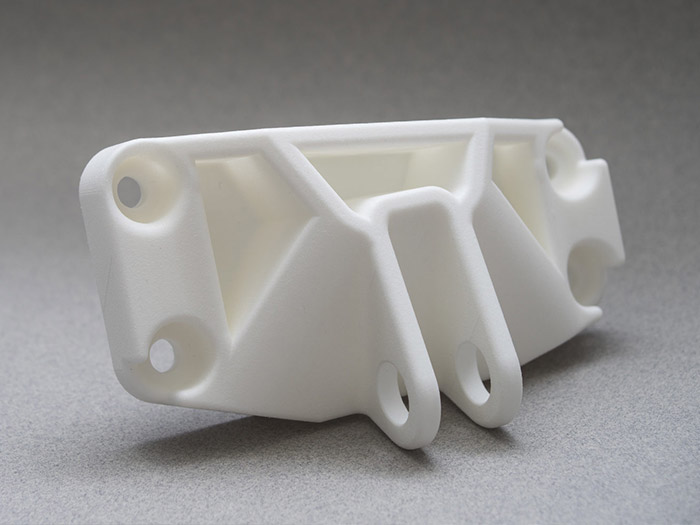
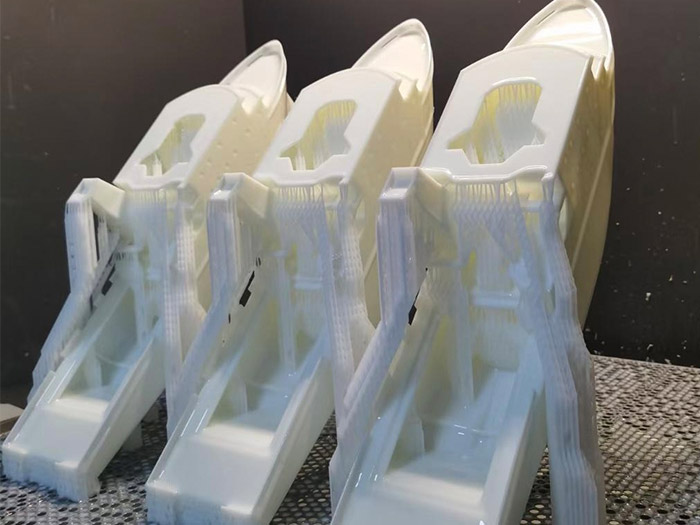
Most CNC-machined and 3D-printed prototypes ship in 3-5 business days. Vacuum-cast and rapid-tooled injection-molded prototypes typically take 7-12 days. Expedited options are available for urgent projects.
What materials can be used for prototypes?
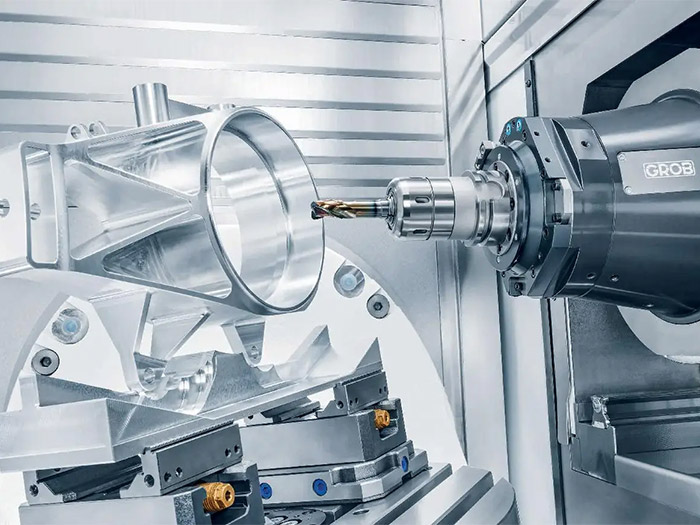
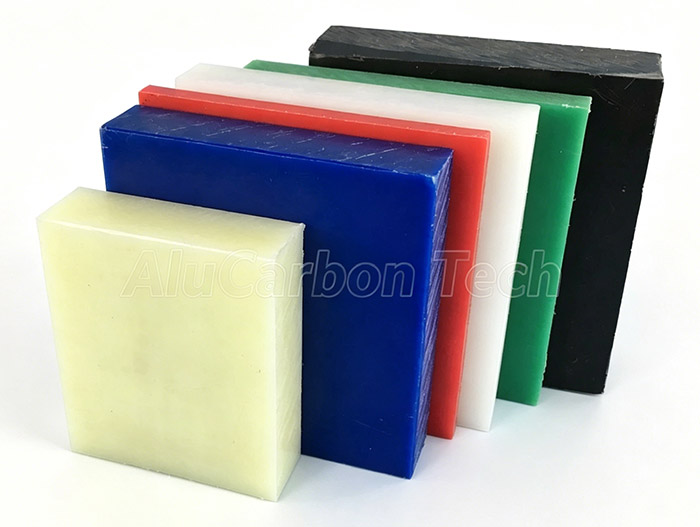
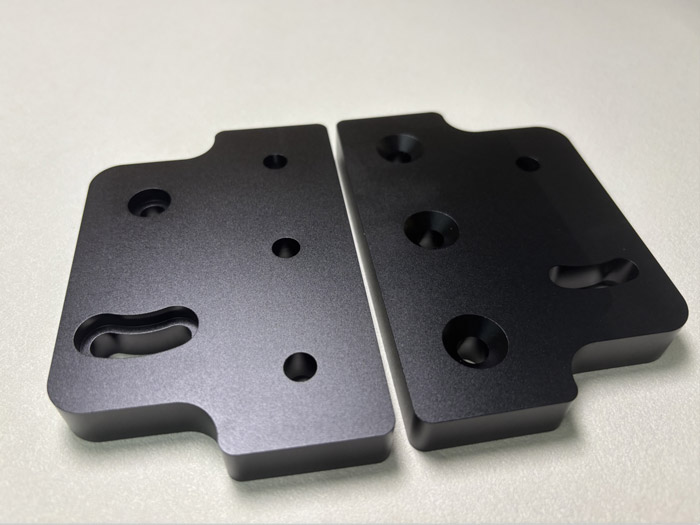
We machine and mold prototypes in aluminum, stainless steel, titanium, brass, engineering plastics such as nylon, POM, ABS and PC, and carbon fiber composite.
Can prototypes be used for functional testing?
Yes. CNC-machined and injection-molded prototypes are produced in production-grade materials, so they can be used for load testing, fit checks, thermal testing and field trials — not just visual review.
What's the difference between rapid prototyping and CNC machining?
CNC machining is one manufacturing process. Rapid prototyping is a service that selects the right process — CNC, 3D printing, vacuum casting or injection molding — based on your project stage, budget and testing requirements.
What's the difference between a prototype and a production part?
Prototypes are typically made without hardened tooling, in smaller quantities and at a higher per-part cost, to validate design and function. Production parts use qualified tooling and processes to deliver consistent quality at scale and a lower per-part cost.
Can you prototype in carbon fiber?
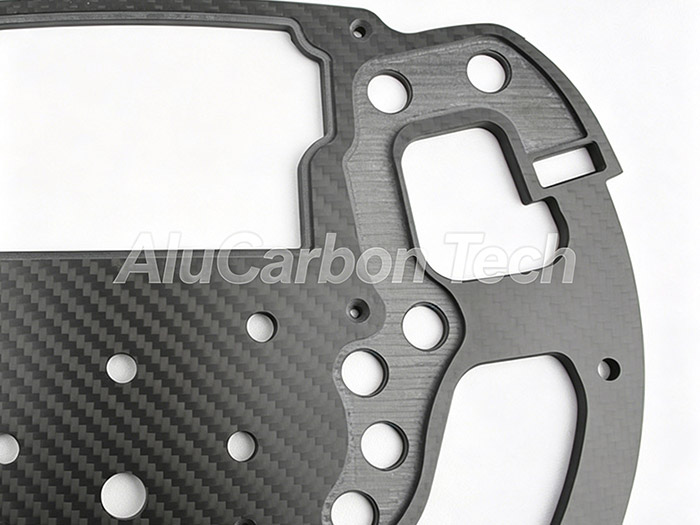
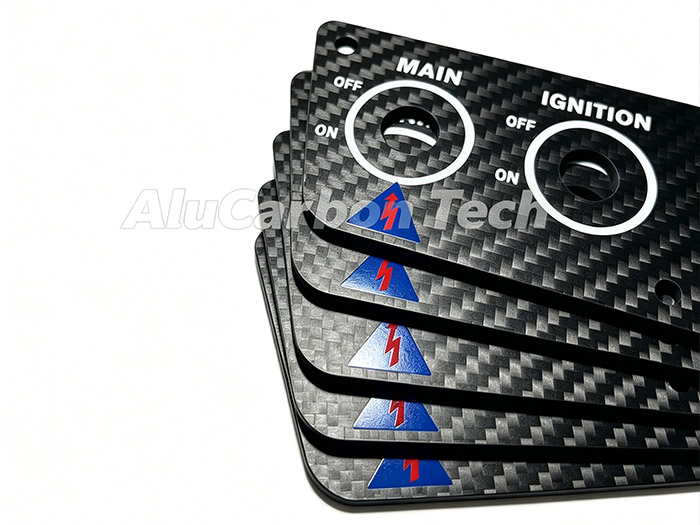
Yes. We CNC-machine carbon fiber sheet and mold carbon fiber components in-house, commonly used for drone frames, sim-racing parts and other weight-critical applications.
Is there a minimum order quantity for prototypes?
No. Prototype orders start at a single unit, with no minimum order quantity, and the same process can scale into low-volume production once your design is validated.
Do you provide DFM (Design for Manufacturability) feedback?
Every quote includes a DFM review from our engineering team, typically returned within 24 hours, flagging tolerance, wall-thickness and tooling risks before you commit.
What tolerances can you hold on prototype parts?
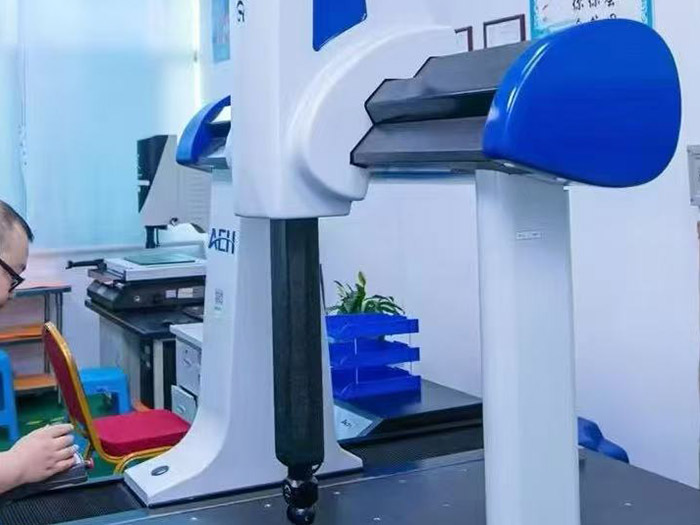
CNC-machined prototypes typically hold ±0.02-0.05 mm. 3D-printed prototypes typically hold ±0.1-0.2 mm. Tighter tolerances can be confirmed on request during the DFM review, based on part geometry.
What file formats do you accept for a prototype quote?
We accept STEP, IGES, STL, and native SolidWorks or Parasolid files. 2D drawings with GD&T are recommended for tolerance-critical parts.
Can you support the transition from prototype to production?
Yes. Prototypes are produced by the same engineering team and, where relevant, on production-representative tooling, so validated designs move directly into low-volume or mass production without switching suppliers.
Do you offer surface finishing on prototype parts?
Yes. Anodizing, powder coating, bead blasting and polishing are available on prototype parts so you can evaluate both function and final appearance. See our Отделка поверхностей capability.
Can I get a prototype quote without committing to production?
Yes. Prototype quotes are standalone with no obligation to place a production order. Many customers come back for a production quote later, once the prototype has been validated.