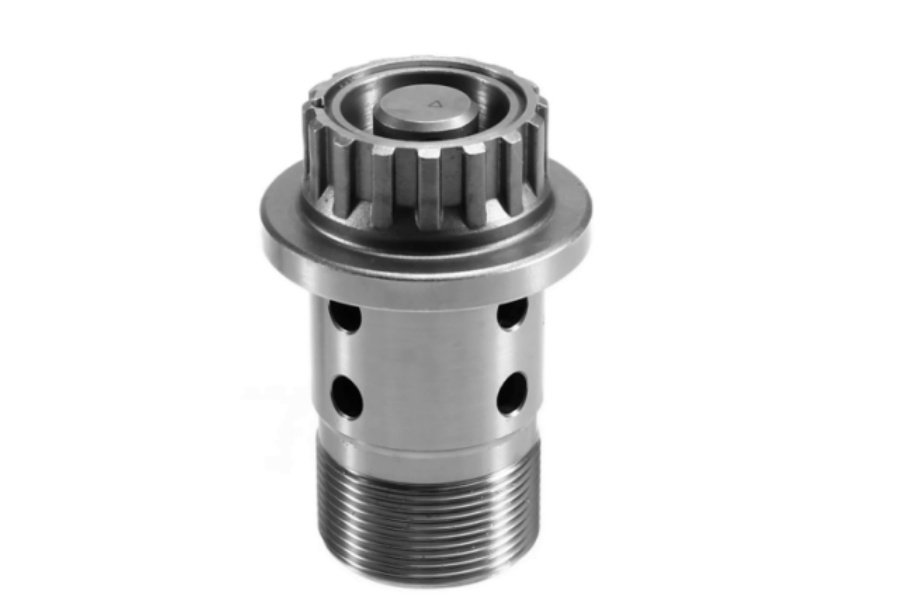
Custom Carbon Steel CNC Machining Services | AluCarbon Tech

High-Precision, Durable Carbon Steel Components for Automotive, Industrial Machinery & Heavy Equipment

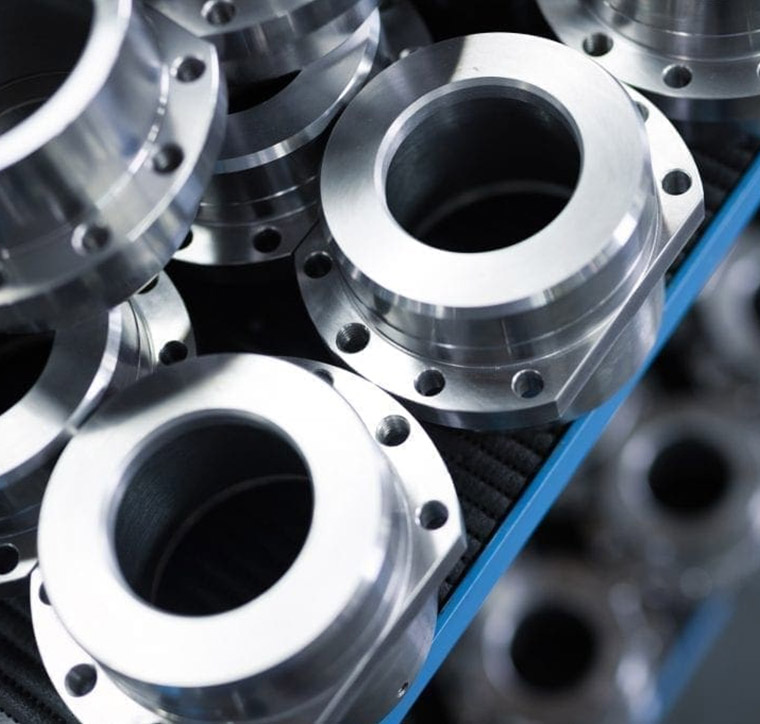
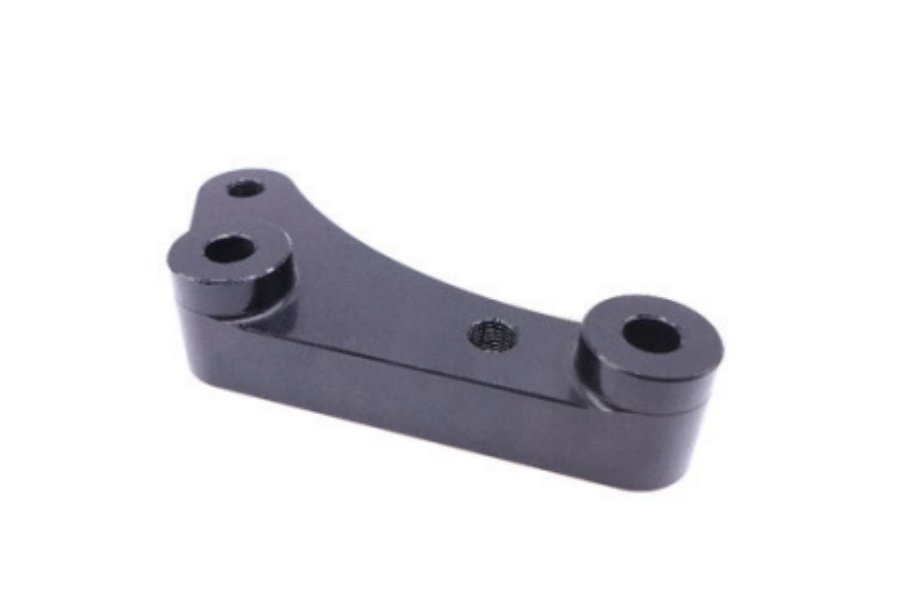
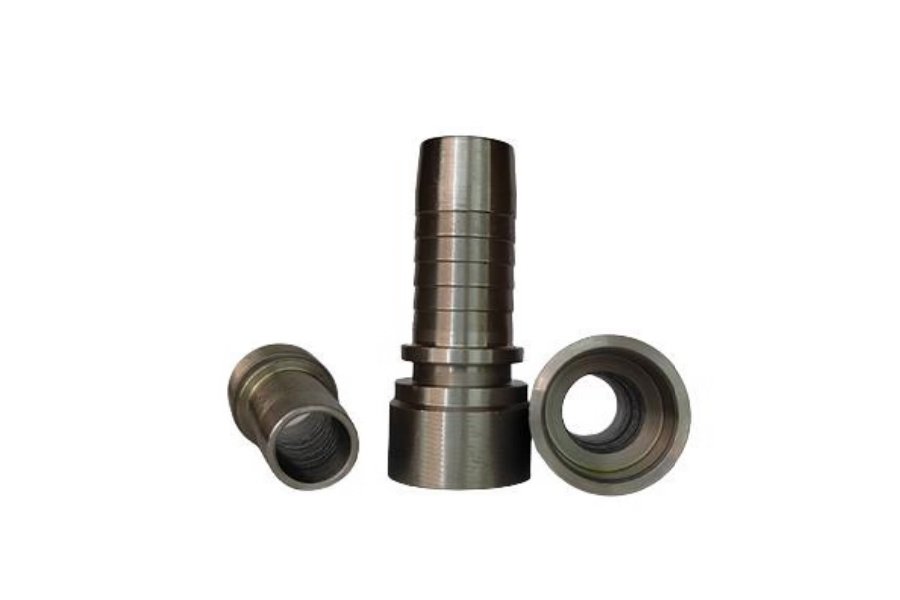
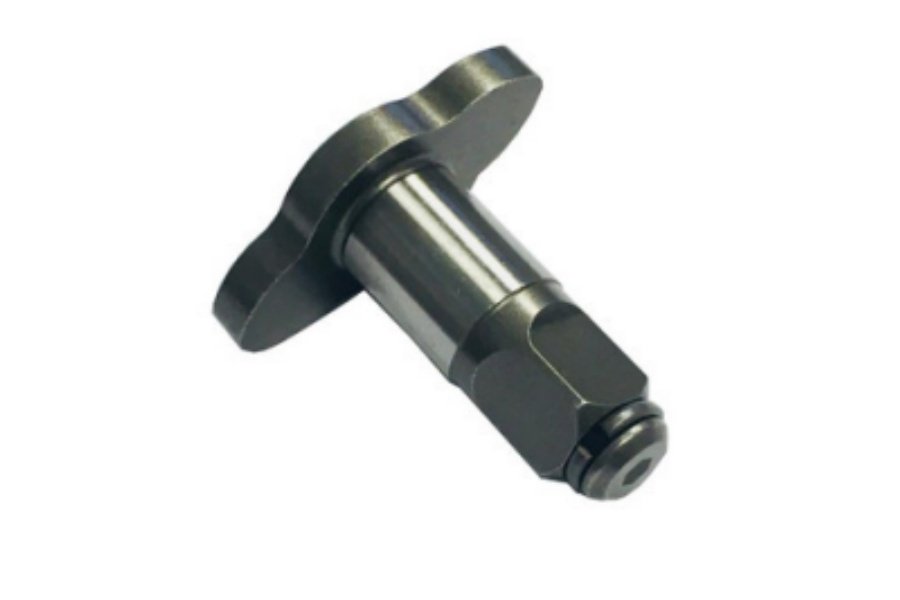
Looking for heavy-duty, high-precision custom carbon steel parts? AluCarbon Tech delivers premier carbon steel CNC machining services tailored to your exact specifications. Leveraging carbon steel’s unmatched structural strength, superior wear resistance, and excellent machinability, our precision-machined parts are extensively utilized in automotive engineering, industrial automation, heavy machinery, and structural applications. From rapid prototyping to high-volume production, AluCarbon Tech provides cost-effective, end-to-end manufacturing solutions with global logistics and strict quality controls. Get your free instant quote today!

Aço ao carbono

Aço ao carbono

Why Choose Carbon Steel for CNC Machining?

Carbon steel remains the bedrock of heavy industries and structural manufacturing due to its incredible toughness, affordability, and high adaptability to heat treatment. In precision CNC machining, carbon steel is highly favored by engineers worldwide for its outstanding mechanical performance and clean predictability during cutting operations.

Whether you need versatile Low Carbon Steel for welding and forming, or ultra-tough Medium/High Carbon Steel for wear-critical applications, carbon steel delivers:

  • Exceptional Structural Strength & Toughness:Superior tensile strength and high impact resistance, making it the ideal choice for heavy-duty structural parts and mechanical load-bearing links.
  • High Adaptability to Heat Treatment:Responds excellently to carburizing, quenching, and tempering, allowing surface hardness to be tailored for extreme wear applications.
  • Excellent Cost-Effectiveness:Compared to stainless steel or titanium, carbon steel offers unmatched cost-efficiency for large-scale production runs without sacrificing performance.
  • Predictable & Efficient Machinability:Clean chip breaking and steady tool life when processed using modern high-speed CNC milling and turning centers.

As your reliable manufacturing partner, AluCarbon Tech leverages extensive expertise in machining various carbon steel grades, ensuring every milled surface achieves a premium finish and every critical dimension is impeccably accurate.

Descrição do produto

Why Choose AluCarbon Tech for Carbon Steel CNC Machining

  • Deep technical expertise with low, medium, and high carbon steels (1018, 1045, 1144, A36, etc.).
  • Advanced high-pressure coolant strategies to prevent built-up edge and ensure optimal chip evacuation.
  • State-of-the-art multi-axis CNC milling (3, 4, and 5-axis) and high-speed turning centers.
  • Precision tolerances held as tight as ±0.05 mm (and up to ±0.01 mm for specialized requirements).
  • Fast, reliable turnaround times: 2-3 weeks for standard production batches.
  • ISO 9001 certified quality management with comprehensive raw material traceability.
  • Global logistics support and flexible shipping options with highly competitive factory-direct pricing.

Carbon Steel Grades & Material Selection Guide

Carbon steels are categorized by their carbon content, which directly determines their strength, hardness, and machinability. Choosing the appropriate grade balances structural integrity, manufacturing cost, and post-processing efficiency.

Alloy Grade Composição e principais propriedades As melhores aplicações Usinabilidade
1018
(Low Carbon)
0.18% Carbon. Excellent weldability, high ductility, and great case-hardening response. Low tensile strength. Carburized gears, pins, structural brackets, bushings, lightly loaded components. Excelente
soft but cuts smoothly with proper speed rates.
1045
(Medium Carbon)
0.45% Carbon. High strength, superior toughness, and excellent response to direct induction hardening or tempering. Gears, crankshafts, shafts, axles, high-strength bolts, structural machinery components. Bom
tougher than 1018, requires solid tool rigidity and optimized feeds.
1144
(Resulfurized)
Medium carbon with added sulfur for free-machining. High strength and excellent stress-relieved stability. High-stress shafts, spindles, pinions, hydraulic components requiring minimal distortion. Outstanding
chips break effortlessly, minimizes tool wear drastically.
A36
(Structural)
Standard low carbon structural steel. Highly weldable, highly ductile, cost-effective for large fabrications. Heavy machinery frames, base plates, industrial brackets, construction components. Moderado
can be gummy; requires sharp cutting edges and reliable chip clearance.
Dica para a seleção de materiais: Need maximum structural wear resistance? Use 1045 with post-machining induction hardening. Looking for peak manufacturing throughput and absolute dimensional stability? Choose 1144. Our dedicated engineering team evaluates your mechanical loads and environmental exposures to recommend the optimal carbon steel grade, perfectly balancing cost and performance.

Machining Carbon Steel: Challenges & Solutions

While carbon steel is highly machinable compared to exotic alloys, its properties vary significantly by carbon content, presenting distinct challenges during high-velocity CNC cutting operations. How AluCarbon Tech Overcomes These Challenges:

1. High Tool Wear & Heat in Medium/High Carbons

Higher carbon content increases material hardness, accelerating abrasive tool wear and concentrating severe thermal energy right at the cutting edge.

2. Gumminess & Chip Nesting in Low Carbons

Low carbon grades like 1018 are highly ductile, forming long, stringy chips that wrap around spinning tools, marring surface finishes and damaging delicate features.

3. Environmental Corrosion (Rust)

Unlike stainless alloys, raw machined carbon steel oxidizes rapidly when exposed to moisture or ambient air, necessitating immediate rust prevention protocols.

How AluCarbon Tech Overcomes These Challenges:

  • Premium coated carbide tools (TiAlN or TiCN) engineered to withstand high temperatures and abrasive wear.
  • High-pressure flood coolant configurations to flush chips out instantly, preventing chip re-cutting and built-up edge.
  • Precise control of chip breakers and feed rates to force stringy low-carbon steels into clean, manageable segments.
  • Mandatory in-process anti-rust oil application immediately following machining to protect pristine surfaces from oxidation.

Carbon Steel Machining Capabilities

High-Velocity CNC Milling

Utilizing modern 3, 4, and 5-axis CNC milling complexes, we produce intricate carbon steel components with highly complex geometries in a single setup, eliminating dimensional stacking errors. Ideal for heavy brackets, engine mounts, and complex industrial housings.

Precision CNC Turning

Our high-torque turning centers excel at high-speed cylindrical machining, precision threading, and complex boring. Optimized for tough carbon steels, our lathes maintain strict concentricity across large production volumes. Perfect for shafts, axles, pins, and custom fasteners.

Industries & Applications for Precision Carbon Steel Components

Indústria Componentes principais Why Carbon Steel
Automotive & Heavy Transportation Engine components, driveshafts, suspension links, heavy-duty axles, brackets, custom transmission gears. Provides required high strength, toughness, and excellent response to hardening for critical powertrain and structural elements.
Industrial Automation & Machinery Machine frames, automated guide rails, precision gears, high-load bushings, hydraulic cylinders, couplings. Balances cost-effectiveness with great mechanical wear resistance, high structural stability, and superior durability under high loads.
Construction & Heavy Equipment Structural structural linkages, crane pins, excavator wear joints, heavy base plates, structural structural connectors. Offers cost-effective solution for large fabrications requiring standard structural integrity, excellent weldability, and high ductility.
Power Transmission & Energy High-strength fasteners, large drive shafts, gearboxes, industrial winch components, structural power framing. Delivers superior toughness and extreme structural performance needed for high-stress energy equipment and load-bearing framing.

Design Guidance for Carbon Steel CNC Machining

  • Maintain a uniform wall thickness (>1.5 mm where possible) to minimize thermal distortion during aggressive machining cuts.
  • Design standard internal corner radii to match common carbide tool profiles; sharp 90-degree internal corners dramatically increase tool stress.
  • Keep deep internal cavities to a minimum; deep features require long tools prone to deflection and vibration.
  • Always factor post-machining surface treatments (such as black oxide, zinc plating, or heat treatment) into your final dimensional tolerance plans.
  • Explicitly specify structural material certifications if the component is intended for critical load-bearing applications.

Surface Finishing & Post-Processing Options

  • Black Oxide Coating: Provides an attractive matte black finish with mild corrosion protection and zero dimensional change.
  • Zinc Plating (Galvanization): Adds an excellent sacrificial barrier layer against harsh environmental rust and weathering.
  • Chrome/Nickel Plating: Significantly enhances surface hardness, scratch resistance, and aesthetic appeal.
  • Carburizing & Induction Hardening: Drastically boosts surface wear resistance while preserving a highly ductile, shock-absorbing core.
  • Chemical Passivation & Anti-Rust Oils: Crucial temporary protection for intermediate storage or immediate assembly.

Controlo de Qualidade e Capacidades de Tolerância

Maintaining rigid dimensional stability in carbon steel requires meticulous control over cutting temperatures and tool wear. AluCarbon Tech implements a comprehensive quality management system:

  • Rigorous in-process dimensional checking and tool wear monitoring.
  • Full CMM (Coordinate Measuring Machine) verification for complex spatial geometries and tight tolerances.
  • Precise surface roughness profiling using advanced electronic profilometers.
  • Complete material chemical composition traceability and heat-treat hardness verification (Rockwell/Brinell).
Capacidades de tolerância: Standard: ±0.1 mm | Tight: ±0.05 mm | Ultra-Critical (via precision grinding or EDM): ±0.01 mm.

Considerações sobre custos e prazos de entrega

Carbon steel CNC machining cost is influenced by: Material & Grade (Low carbon steels like 1018, A36 are highly economical; specialized resulfurized free-machining grades like 1144 cost slightly more but reduce cycle times), geometry complexity (intricate designs requiring specialized tooling or multi-axis setups increase programming and machining time), surface plating & finishing (secondary treatments like zinc plating, black oxide, or induction hardening add to the final unit cost and lead time), and production runs where large-scale batches significantly amortize programming and setup costs, delivering major per-unit savings.


Prazo de entrega habitual
  • 2-3 weeks for standard orders.
  • Optional expedited delivery (10-14 days) is available for time-sensitive, mission-critical projects.

Perguntas frequentes

Q: What is the main structural difference between 1018 and 1045 carbon steel?
A: The primary difference lies in the carbon content. 1018 contains 0.18% carbon, making it highly ductile and excellent for welding, but lower in strength. 1045 contains 0.45% carbon, delivering much higher tensile strength and hardness, and it responds exceptionally well to heat treatment (induction hardening), whereas 1018 does not.
Q: How do you prevent carbon steel parts from rusting after machining?
A: Raw carbon steel oxidizes quickly. At AluCarbon Tech, we immediately apply a high-grade temporary anti-rust oil after final inspection. For permanent corrosion protection, we highly recommend secondary surface treatments such as black oxide coating, zinc plating, or electroless nickel plating.
Q: Can you achieve high-precision tolerances on carbon steel?
A: Yes. Carbon steel provides excellent structural rigidity, allowing us to routinely hold tight production tolerances of ±0.05 mm. For ultra-critical interfaces, we can achieve tolerances as tight as ±0.01 mm through secondary precision grinding or EDM (Electrical Discharge Machining).
Q: Does AluCarbon Tech provide material traceability for carbon steel?
A: Absolutely. All our carbon steel materials are sourced from verified mill partners. We can provide full material test reports (MTRs), chemical composition analysis, and heat-treatment certification documents upon request.
Q: What is your minimum order quantity (MOQ) for carbon steel parts?
A: We have no minimum order constraint. We support your product lifecycle from a single prototype up to production runs exceeding 1,000+ pieces. Per-unit manufacturing costs improve significantly as production volumes increase.
Entre em contacto connosco

Envie a sua mensagem