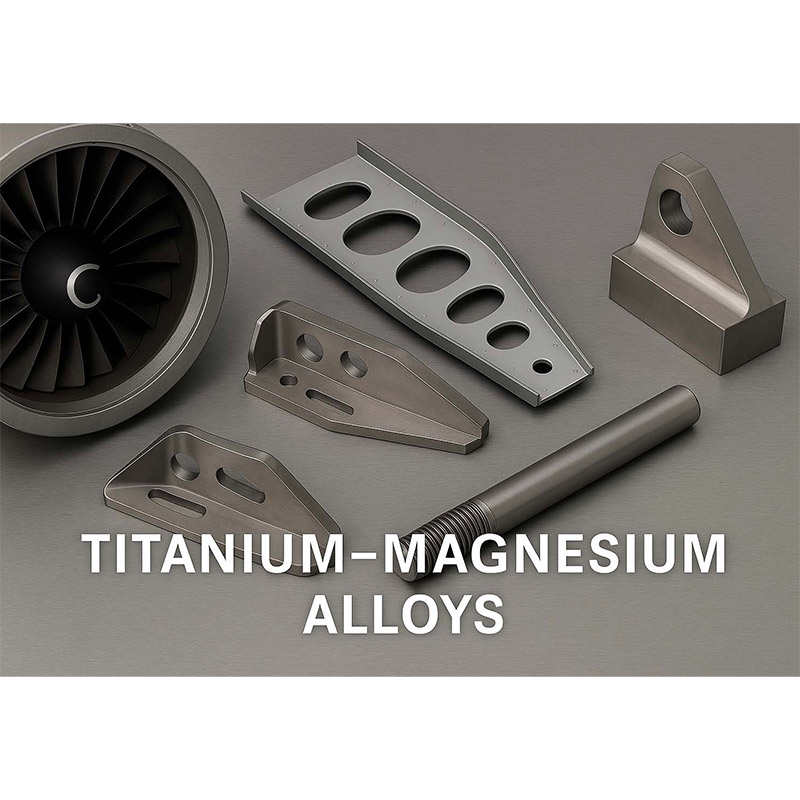
Magnesium is the lightest structural metal in commercial use—33% lighter than aluminum and 75% lighter than steel. For weight-critical applications where every gram counts, magnesium delivers an unmatched strength-to-weight ratio that enables innovations impossible with conventional metals. From aircraft fuselage components and EV battery housings to robotic arms and high-speed camera bodies, magnesium powers the next generation of lightweight engineering. However, magnesium demands specialized machining expertise. Its high chemical reactivity, thermal sensitivity, and fire risk require dedicated safety protocols and advanced techniques. AluCarbon Tech brings proven magnesium machining mastery, specialized equipment, and rigorous safety procedures to deliver precision components that meet aerospace, automotive, and medical standards.
Magnesium alloys are engineered for specific applications. The "AZ" designation indicates aluminum (A) and zinc (Z) content. Wrought alloys (rolled, forged, or extruded) like AZ31B excel in machinability. Cast alloys like AZ91D offer superior strength and castability. Selecting the right grade balances weight reduction, strength requirements, machinability, and cost.
| Alloy Grade | Composition & Key Properties | Лучшие приложения | Machinability |
|---|---|---|---|
| AZ31B (Wrought) | 3% aluminum, 1% zinc. Most common wrought magnesium alloy. Excellent ductility, superior machinability, good weldability. Density: 1.77 g/cm³. | Aircraft fuselage, camera bodies, laptop frames, automotive components, weight-critical structures, sheet/plate forms | Отлично fastest cutting speeds, excellent chip formation, produces superior surface finish. Industry favorite for machining. |
| AZ91D (Cast) | 9% aluminum, 1% zinc. Most common cast magnesium alloy. High strength, excellent castability, good corrosion resistance. Density: 1.81 g/cm³. | Automotive housings, electronic device cases, power tool bodies, aerospace brackets, high-volume die-cast production | Хорошо good chip control but lower strength than wrought AZ31B. Requires careful tool management and coolant strategy. |
| AZ61B (Wrought) | 6% aluminum, 1% zinc. Intermediate wrought alloy. Higher strength than AZ31B, good corrosion resistance, moderate ductility. | Structural components, load-bearing parts, forgings, applications requiring higher strength than AZ31B | Хорошо good machinability but slightly slower than AZ31B. Offers strength-machinability balance for demanding applications. |
| AZ80A (Wrought) | 8% aluminum, no intentional zinc. Highest strength wrought magnesium alloy. Excellent for forging and extrusion. Limited machinability. | High-strength aerospace structures, military applications, structural forgings, extreme performance components | Challenging lowest machinability of common wrought alloys. Requires conservative speeds, advanced tooling, expert technique. |
| WE43 (Wrought) | Rare-earth strengthened (yttrium, gadolinium). Superior high-temperature strength. Excellent thermal stability. Premium cost. | Aerospace engines, extreme-temperature applications, racing components, high-performance lightweight structures | Challenging rare-earth alloys harder than AZ series. Requires specialized carbide tooling and conservative parameters. |
Magnesium stands alone in weight reduction. Its extraordinary combination of properties delivers unmatched manufacturing advantages for weight-critical applications:
At 1.74 g/cm³, magnesium is the lightest structural metal. Every kilogram removed from aerospace structures reduces fuel consumption, increases payload capacity, and improves efficiency. For EV batteries, weight reduction directly increases driving range.
Magnesium machines faster than aluminum or steel. Excellent chip formation produces superior surface finishes with minimal tool wear. Shorter tool change frequency reduces production time and cost. Outstanding feed rates enable rapid, cost-effective manufacturing.
Magnesium naturally absorbs and dissipates vibrations and noise more effectively than aluminum or steel. This damping capability reduces noise in automotive components, vibration in machinery, and acoustic transmission in electronics—without additional mass.
Magnesium provides natural EMI/RFI shielding for sensitive electronics. Its conductivity and density combination block electromagnetic interference better than aluminum, essential for medical devices, aerospace avionics, and high-frequency electronics.
Good thermal conductivity for its weight makes magnesium ideal for heat dissipation in electronics. Lightweight construction combined with heat transfer capability enables efficient thermal management in compact designs.
Advanced 5-axis mills with high-pressure, fire-suppressant coolant systems optimized for magnesium's superior machinability. Multi-axis capability handles complex aerospace geometries and consumer electronics housings in single setups. Specialized coolant formulations manage magnesium's fire risk while providing excellent chip evacuation and surface finish.
High-speed turning centers exploit magnesium's exceptional machinability for rapid prototyping and production runs. Quick cycle times and outstanding chip formation enable cost-effective production of cylindrical components, fasteners, and housings. Ideal for automotive components, camera mechanisms, and consumer electronics.
Dedicated magnesium machining zones with specialized fire-suppressant coolants, advanced chip collection systems, and Class D fire extinguishers. Strict safety procedures ensure reliable, risk-free production. Despite magnesium's flammable reputation, proper handling makes it as safe as any industrial machining process.
| Промышленность | Основные компоненты | Why Magnesium |
|---|---|---|
| Aerospace & Aviation | Aircraft fuselage panels, wing components, landing gear housings, avionics enclosures, engine mounts, structural brackets | Magnesium's 75% weight reduction vs steel and 33% vs aluminum directly increases fuel efficiency and payload capacity. Aerospace-critical weight savings. |
| Automotive & Electric Vehicles | EV battery housings, structural brackets, engine blocks, transmission cases, steering wheel frames, suspension components | Weight reduction increases EV driving range and performance. Magnesium enables lighter vehicles with improved efficiency and reduced emissions. |
| Consumer Electronics & Imaging | Camera bodies, laptop frames, smartphone housings, tablet enclosures, portable device cases, professional video equipment | Extreme weight reduction enables portable, handheld designs. EMI shielding essential for electronics. Premium appearance from superior finishing. |
| Robotics & Precision Automation | Robotic arms, end-effectors, mechanical linkages, precision positioning mechanisms, high-speed rotating components | Minimizing moving mass increases speed, acceleration, and precision. Magnesium's damping absorbs vibration for better accuracy. |
| Medical & Portable Equipment | Portable medical device housings, surgical instrument frames, diagnostic equipment bodies, mobility aid components | Lightweight construction enables portable equipment. EMI shielding protects sensitive medical measurements. Excellent surface finish meets medical standards. |
Magnesium's lightweight nature demands precision to ensure structural integrity. AluCarbon Tech maintains rigorous quality protocols for reliable, lightweight components:
Magnesium CNC machining cost is influenced by: Alloy grade selected (AZ31B most cost-effective to machine; AZ80A, WE43 premium grades higher cost), Part complexity (intricate features increase tool changes; magnesium's speed advantage benefits complex geometry), Tolerance requirements (standard tolerances fast; ultra-tight tolerances demand thermal compensation), Production volume (magnesium's speed advantage maximizes with high-volume production), Protective coatings (anodizing, plating add 15-30% to cost but essential for durability), Safety protocols (dedicated magnesium zones, specialized coolants add modest overhead).
Whether you need weight-critical aerospace structures, lightweight EV battery housings, portable consumer electronics, or precision robotic components, AluCarbon Tech delivers magnesium parts that balance extreme weight reduction with precision, durability, and cost-effectiveness.
Request a Magnesium CNC Machining Quote
Email: contact@alucarbon.com
WhatsApp: +86 YOUR NUMBER
Hours: 24-hour response for all inquiries (aerospace/EV projects expedited)
AluCarbon Tech provides precision CNC machining services for magnesium alloys, titanium, stainless steel, aluminum, copper, and specialty metals. We specialize in weight-critical aerospace components, automotive EV systems, consumer electronics, and high-precision engineering. With dedicated magnesium expertise, advanced safety protocols, and aerospace-grade quality, we deliver lightweight solutions where every gram counts.