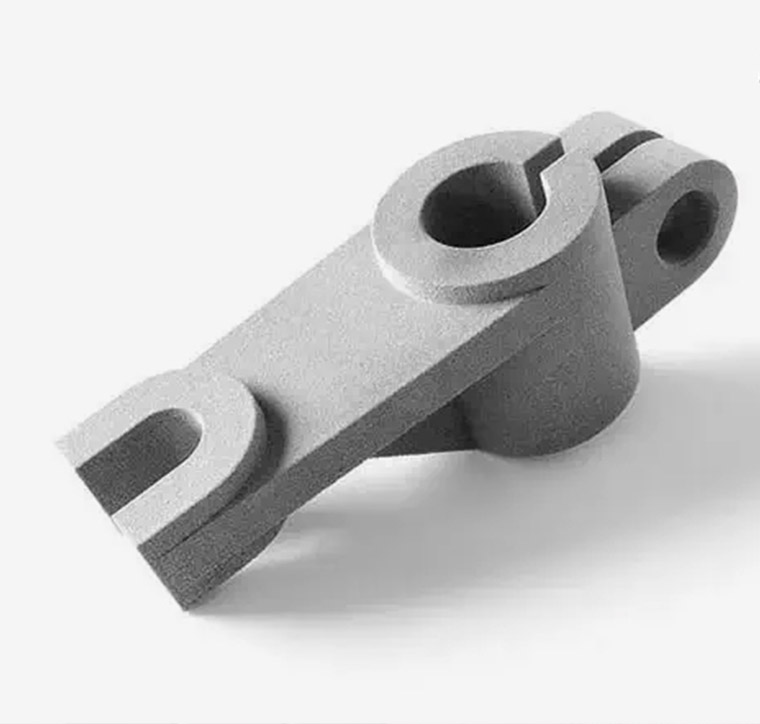
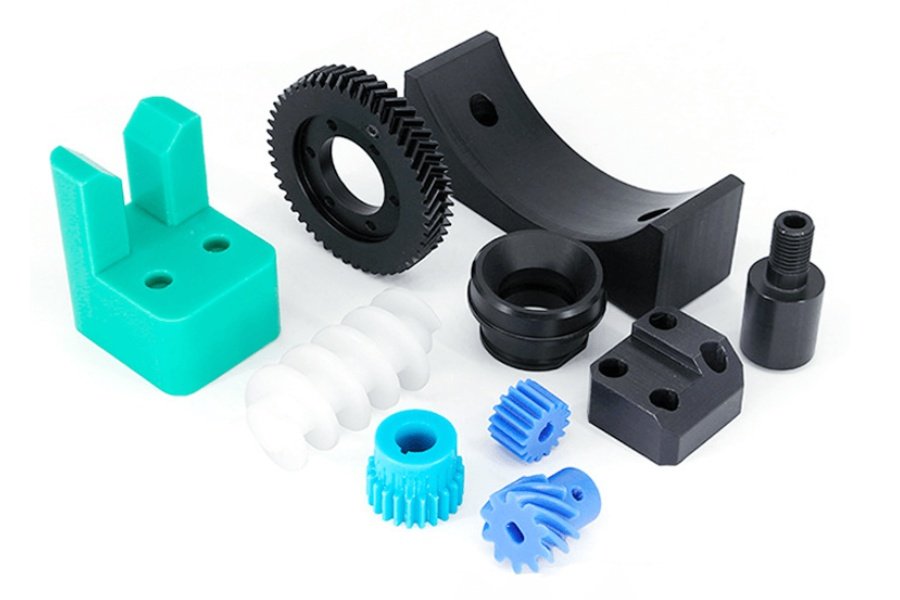
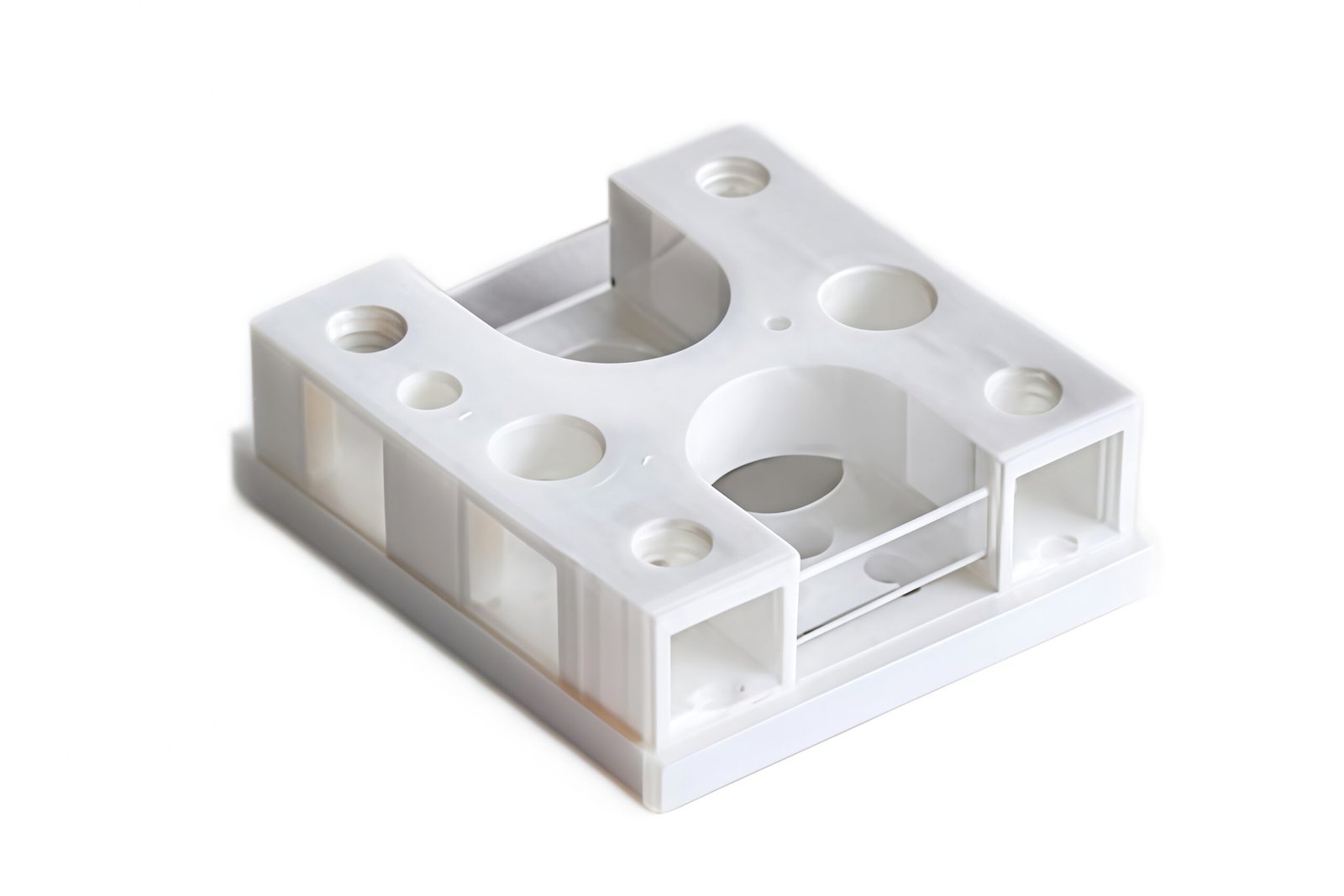
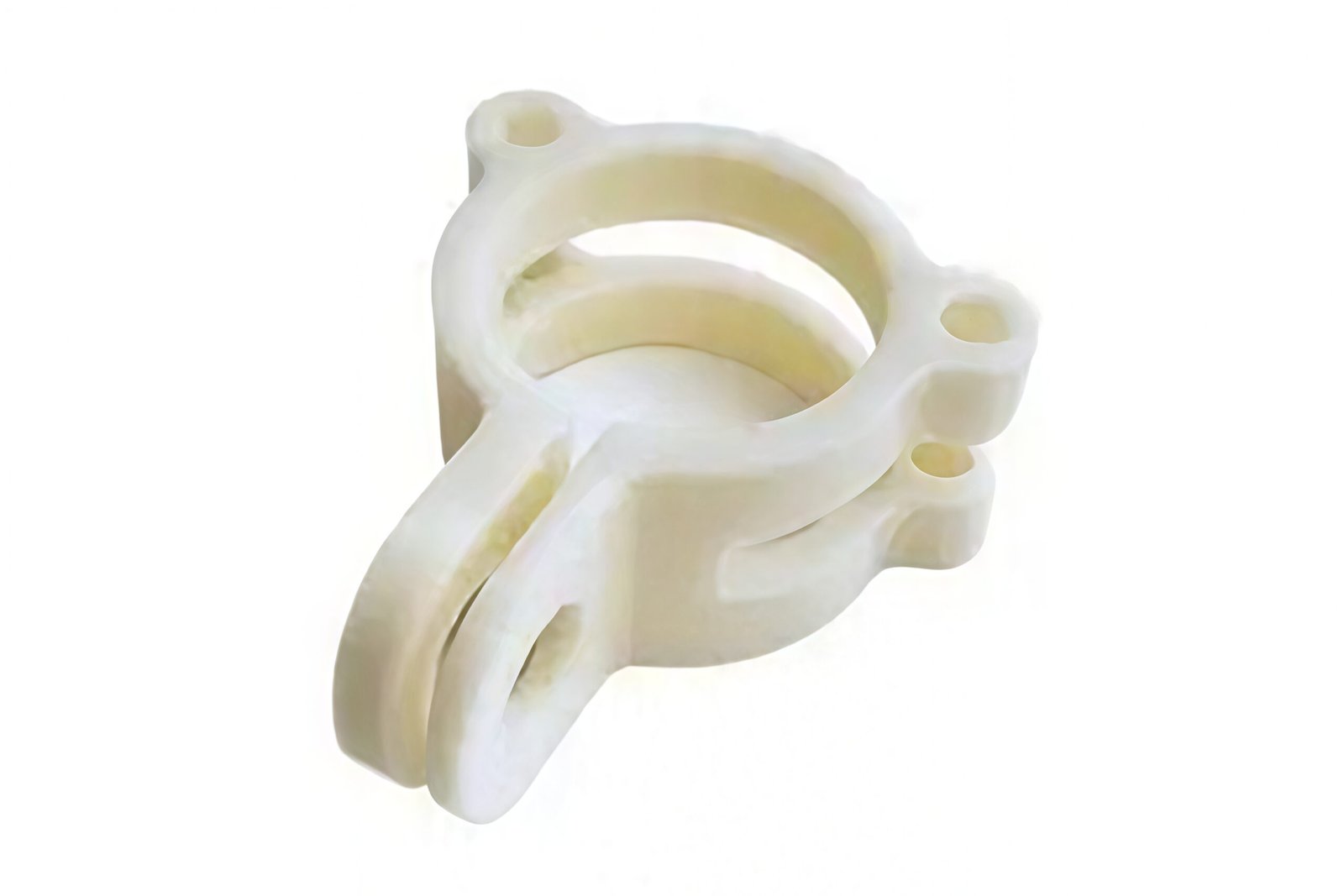
Need high-quality, corrosion-resistant plastic components? AluCarbon Tech delivers professional Polypropylene (PP) CNC machining services customized to your exact engineering requirements. Known for its exceptional chemical resistance, lightweight profile, low moisture absorption, and excellent fatigue life, Polypropylene is the ideal choice for fluid handling systems, chemical processing tanks, medical apparatus, and food-grade packaging industries. Utilizing advanced multi-axis CNC milling and high-precision turning, our production facility transforms raw PP materials into dimensionally stable, burr-free custom components. From rapid functional prototyping to high-volume manufacturing, AluCarbon Tech guarantees competitive pricing, stringent quality control, and dependable global logistics. Request your free instant quote today!
Why Choose Polypropylene (PP) for CNC Machining?
Polypropylene (PP) is a versatile thermoplastic widely specified by engineers for applications operating in harsh chemical environments or weight-sensitive frameworks. While injection molding is common for high volumes, custom CNC machining provides the perfect alternative for complex geometries, tight tolerances, and small-to-medium manufacturing runs without expensive tooling costs.
By choosing machined Polypropylene parts, your designs benefit from:
| PP Grade / Type | Key Characteristics & Performance | أفضل التطبيقات |
|---|---|---|
| PP Homopolymer (Standard Grade) | Stronger and stiffer than copolymer variants. Offers the highest chemical resistance and structural rigidity at elevated temperatures, but exhibits lower impact strength at sub-zero temperatures. | Chemical storage structures, laboratory fittings, semiconductor process equipment, fluid manifolds, food processing components. |
| PP Copolymer (High-Impact Grade) | Synthesized with a small percentage of ethylene, resulting in significantly increased impact toughness, lower brittleness at low temperatures, and slightly better pliability, though slightly softer than homopolymer. | Industrial protective shields, low-temperature fluid components, heavy-duty automotive brackets, structural housings exposed to repeated shock. |
| الصناعة | المكونات الرئيسية |
|---|---|
| Chemical & Semiconductor Processing | Acid-resistant pump components, electroplating tanks, fluidic manifolds, custom laboratory valves, semiconductor wet-bench components. |
| Medical & Laboratory Devices | Sterilization trays, orthopedic trial components, diagnostic equipment housings, chemical-resistant laboratory racks, medical fluid connectors. |
| Food & Beverage Automation | FDA-compliant guide rails, scraper blades, food processing sorting funnels, conveyor system rollers, custom packaging machinery parts. |
| Water Treatment & Fluid Control | Filter housings, custom impellers, industrial spray nozzles, float valves, water distribution blocks. |